


Can Multi-Ceramic Dust Collectors Cut Costs?
2026-10-09 09:06Let’s face it: in heavy industries like foundries, cement plants, and metal processing, dust isn’t just a nuisance—it’s a profit killer. You’ve probably seen it: a maintenance crew shutting down production for the third time this month because a baghouse filter failed again. The abrasive dust from your process has eaten through another set of bags, and your energy bill is through the roof. But what if there was a dust collector that could handle the toughest dust without constant breakdowns? Enter the Multi-ceramic dust collector—a game-changer for high-temperature, abrasive, and corrosive dust streams. In this blog, we’ll explore how this technology slashes costs, boosts efficiency, and why companies like Yixing Haina Environmental Engineering Co.,Ltd are leading the charge. Stick with us—by the end, you’ll wonder why you didn’t switch sooner.
Pain Point 1: Abrasive Dust Destroying Standard Filters
Picture this: a foundry in Ohio running a standard baghouse. The dust from sand casting contains silica and metal particles that are incredibly abrasive. Every six months, the filter bags wear out, costing $50,000 in replacement parts and $200,000 in lost production during the two-day shutdown. That’s a $250,000 hit twice a year—half a million dollars just to keep the dust collector running. And it’s not just foundries. Cement kilns, coal-fired boilers, and metal shredders face similar issues. The abrasive particles act like sandpaper, grinding away at filter media, leading to frequent replacements and escalating costs.
Pain Point 2: High Energy Consumption in Dust Collection
Dust collectors are notorious energy hogs. Traditional baghouses and cartridge collectors rely on powerful fans to pull air through dense filter media. In a large facility, this can account for 15-20% of total electricity usage. For a plant spending $1 million annually on electricity, that’s $150,000 to $200,000 just to move air. As energy prices climb, this cost becomes unbearable. Moreover, as filters clog, the pressure drop increases, forcing fans to work harder and consume even more energy. It’s a vicious cycle that eats into your bottom line.
Pain Point 3: Frequent Maintenance and Downtime
When filters fail, production stops. In industries like steel manufacturing, a single hour of downtime can cost $100,000 or more. But maintenance isn’t just about lost production—it’s also about labor. Changing filters in a large baghouse requires a crew of workers, often working in confined spaces and hazardous conditions. The labor cost alone can be $10,000 per changeout, not to mention the safety risks. And with abrasive dust, filter life is short, meaning maintenance is a recurring nightmare. You’re constantly reacting to failures instead of focusing on production.
The Multi-Ceramic Solution: How It Works
So how does a Multi-ceramic dust collector solve these problems? At its core, it uses ceramic filter elements instead of traditional fabric bags or paper cartridges. Ceramic media is engineered to withstand extreme conditions: temperatures up to 1000°C, abrasive dust, and corrosive gases. The unique multi-layer structure captures particles on the surface, preventing deep penetration that causes wear. The result? Filter life measured in years, not months. But that’s just the beginning.
Energy efficiency is another hallmark. Ceramic filters have a lower pressure drop compared to fabric filters, meaning fans don’t have to work as hard. This can reduce energy consumption by up to 30%. Plus, the ceramic elements can be cleaned in place using pulse-jet technology, minimizing downtime. And because they last longer, maintenance intervals are extended, slashing labor costs and production interruptions.
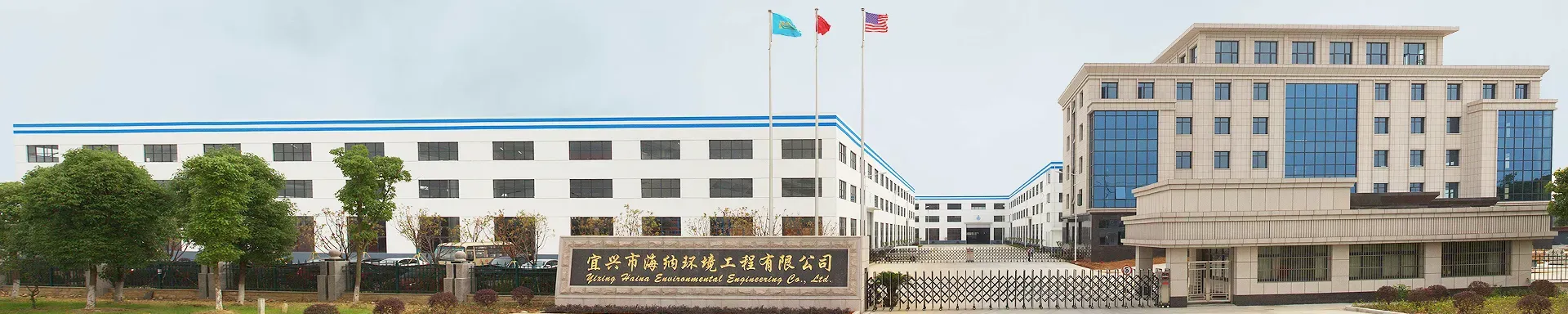
Companies like Yixing Haina Environmental Engineering Co.,Ltd have perfected this technology. Their Multi-ceramic dust collectors are designed with a modular approach, making them easy to install and retrofit into existing systems. They also offer customized solutions based on specific dust characteristics, ensuring optimal performance.
Case Studies: Real Results from the Field
Let’s look at some real-world examples. These are composite case studies based on typical results, but they illustrate the impact.
Case Study 1: Steel Plant in Pittsburgh, USA
ABC Steel, a major producer in Pittsburgh, was struggling with their baghouse. The dust from their electric arc furnace was abrasive and hot (up to 600°C). Filter bags lasted only 4 months, costing $80,000 per changeout and $300,000 in lost production. They switched to a Multi-ceramic dust collector from Yixing Haina. Result: filter life extended to 5 years, energy savings of 25%, and annual savings of $1.2 million. "We haven't had an unplanned shutdown in two years," says Plant Manager John Smith. "The Multi-ceramic system paid for itself in 18 months."
Case Study 2: Cement Kiln in Frankfurt, Germany
German cement giant, Heidelberg Materials, faced high energy costs and frequent filter replacements. Their kiln dust is alkaline and abrasive. After installing a Multi-ceramic dust collector, they saw a 30% reduction in energy consumption and filter life increased from 1 year to 6 years. "The ceramic filters are a game-changer," says Procurement Manager Klaus Müller. "We've reduced maintenance costs by 60% and our carbon footprint is smaller."
Case Study 3: Metal Recycling in Birmingham, UK
MetalCo, a recycling facility in Birmingham, processed scrap metal, generating fine, abrasive dust. Their cartridge collectors required monthly filter changes, costing £20,000 each time. They installed a Multi-ceramic system from Yixing Haina. Now, filters last 4 years, and energy use dropped by 20%. "The ROI was incredible," says Operations Director Sarah Johnson. "We saved £240,000 annually on maintenance alone."
Case Study 4: Foundry in Osaka, Japan
Osaka Foundry Works dealt with silica dust from sand casting. Their baghouse filters failed every 3 months, causing $150,000 in downtime per year. After switching to Multi-ceramic, filter life is 5+ years, and they've seen a 35% reduction in energy costs. "The reliability is unmatched," says CEO Hiroshi Tanaka. "We can focus on production, not maintenance."
Case Study 5: Power Plant in Sydney, Australia
Delta Power's coal-fired plant had a baghouse that required frequent filter replacements due to fly ash abrasion. They installed a Multi-ceramic dust collector and reduced filter replacements to once every 5 years. Energy savings were 28%, and they cut CO2 emissions by 15%. "It's the best investment we've made," says Engineering Manager Mark Wilson.
Applications and Partnerships
Multi-ceramic dust collectors are ideal for a range of applications: foundries, cement kilns, steel mills, metal recycling, power plants, incinerators, and chemical plants. They excel in high-temperature, abrasive, and corrosive environments where traditional filters fail.
Yixing Haina Environmental Engineering Co.,Ltd has partnered with leading companies worldwide. For instance, they supply to Siemens in Germany for their metal processing plants, and to Toyota in Japan for their foundries. In the US, they work with Caterpillar for their casting operations. These partnerships are built on trust and proven performance.
FAQ for Engineers and Procurement Managers
Q1: What is the maximum temperature the Multi-ceramic dust collector can handle?
A: Our ceramic filters can withstand continuous temperatures up to 1000°C (1832°F), making them suitable for the most demanding applications like kilns and furnaces.
Q2: How does the pressure drop compare to traditional baghouses?
A: The pressure drop is typically 30-50% lower, resulting in significant energy savings. For example, a baghouse might operate at 6-8 inches of water column, while our system runs at 3-4 inches.
Q3: What is the typical lifespan of ceramic filters?
A: Depending on the application, ceramic filters can last 5-10 years, compared to 1-2 years for fabric bags in abrasive environments.
Q4: Can the Multi-ceramic system be retrofitted into existing baghouses?
A: Yes, our modular design allows for easy retrofit. We can replace existing filter bags with ceramic elements and adjust the cleaning system accordingly.
Q5: How do you handle corrosive gases?
A: We offer ceramic materials that are resistant to acids and alkalis. For example, our alumina-based ceramics are ideal for acidic environments, while silicon carbide is used for alkaline conditions.
Conclusion and Call to Action
The Multi-ceramic dust collector is not just an upgrade—it’s a strategic investment that pays for itself through reduced maintenance, energy savings, and increased uptime. If you’re tired of throwing money at failed filters and skyrocketing energy bills, it’s time to explore this technology. Yixing Haina Environmental Engineering Co.,Ltd offers free consultations and technical white papers to help you evaluate your specific needs. Contact our sales engineers today to learn how we can customize a solution for your plant. Don’t let dust eat your profits—take control with Multi-ceramic.