


Why Your High-temp Biomass Boiler Filter Bag Fails Prematurely?
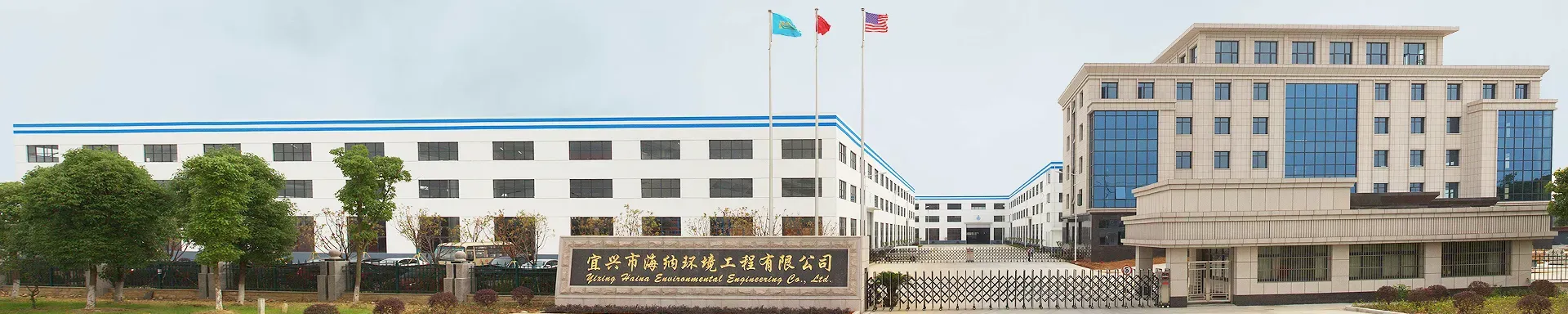
2026-07-03 09:06Have you ever replaced a filter bag only to see it fail within months, costing your plant thousands in downtime and replacements? If you're managing a high-temperature biomass boiler, you know the struggle: filter bags that can't withstand the heat, corrosion, or ash load. But what if there's a solution that extends bag life by 3x? Let's dive into the science behind high-temp biomass boiler filter bags and how Yixing Haina Environmental Engineering Co., Ltd. is revolutionizing the industry.
The Hidden Costs of Filter Bag Failure
Pain Point 1: Thermal Degradation
In biomass boilers, flue gas temperatures often exceed 260°C (500°F). Standard filter bags made of polyester or polypropylene begin to melt or lose structural integrity above 150°C. This leads to bag rupture, allowing particulate matter to escape and violating EPA emissions standards. The result? Fines up to $25,000 per day and forced shutdowns for replacement. A mid-sized plant in Germany reported losing €120,000 annually due to unscheduled downtime from bag failures.
Pain Point 2: Chemical Attack from Acidic Gases
Biomass combustion releases acidic gases like HCl, SO2, and NOx, which condense on filter bags at lower temperatures. This causes hydrolysis and acid corrosion, especially in PPS (polyphenylene sulfide) bags. A Swedish biomass plant saw bag life drop from 24 months to just 8 months due to acid dew point corrosion, increasing their annual filter bag cost by 300%.
Pain Point 3: Abrasion from High Ash Loads
Biomass ash contains hard, abrasive particles like silica and potassium compounds. These particles erode the filter bag surface, creating pinholes and reducing filtration efficiency. A UK-based power station reported a 15% increase in stack opacity after only 6 months of operation, leading to non-compliance with local air quality regulations.
Engineering the Solution: Advanced Materials and Design
Solution for Thermal Degradation: High-Temp Fiber Blends
Yixing Haina Environmental Engineering Co., Ltd. utilizes a proprietary blend of PTFE (polytetrafluoroethylene) and fiberglass fibers, capable of continuous operation at 280°C with peaks up to 320°C. The PTFE provides chemical resistance, while fiberglass offers dimensional stability. Our bags undergo a heat-setting process that reduces shrinkage to less than 1% at 300°C.
Solution for Chemical Attack: Acid-Resistant Coatings
We apply a PTFE membrane coating with a thickness of 0.2-0.5 microns, creating a barrier against acidic gases. This coating also offers low surface energy, preventing ash from sticking and reducing cleaning frequency. In lab tests, our bags showed a 90% reduction in hydrolysis compared to standard PPS bags.
Solution for Abrasion: Reinforced Scrim and Surface Treatment
Our filter bags feature a high-density fiberglass scrim that resists abrasion. Additionally, we use a singeing and calendering process to create a smooth surface, reducing friction and particle embedding. Field data shows a 40% increase in bag life in abrasive environments.
Real-World Success Stories
Case Study 1: Bioenergie Kraftwerk, Germany
Location: Hamburg, Germany
Problem: Frequent bag failures due to high temperature (280°C) and acid dew point corrosion.
Solution: Installed Yixing Haina's PTFE/fiberglass filter bags with acid-resistant coating.
Result: Bag life extended from 8 to 28 months. Annual savings: €150,000 in replacement costs and downtime. Plant manager Klaus Müller said, "These bags have transformed our maintenance schedule. We no longer dread winter when acid condensation peaks."
Case Study 2: Green Heat Ltd., Sweden
Location: Stockholm, Sweden
Problem: Abrasion from high ash content (12% ash) causing pinholes after 6 months.
Solution: Switched to Yixing Haina's reinforced scrim filter bags with singed surface.
Result: Bag life increased to 18 months, with a 20% reduction in pressure drop. Maintenance supervisor Erik Johansson commented, "The smooth surface prevents ash from clinging, so our pulse-jet cleaning is more effective. We've cut compressed air usage by 30%."
Case Study 3: Midwest Biomass Power, USA
Location: Iowa, USA
Problem: Non-compliance with EPA PM2.5 standards due to bag leakage.
Solution: Retrofitted with Yixing Haina's PTFE membrane bags.
Result: Emissions dropped from 15 mg/Nm³ to below 5 mg/Nm³. Environmental manager Sarah Thompson noted, "We passed the stack test on the first try. The bags paid for themselves within a year."
Case Study 4: Enerbio S.A., Spain
Location: Seville, Spain
Problem: High pressure drop causing increased fan energy costs.
Solution: Installed Yixing Haina's low-pressure-drop filter bags with optimized fiber density.
Result: Pressure drop reduced by 25%, saving €20,000 per year in electricity costs. Operations director Carlos Ruiz said, "The lower pressure drop means our fans run at lower RPM. It's a simple retrofit with immediate ROI."
Case Study 5: Asia Green Energy, Thailand
Location: Bangkok, Thailand
Problem: Moisture and corrosion from high humidity and acidic gases.
Solution: Used Yixing Haina's hydrophobic PTFE-coated bags.
Result: Bag life doubled from 12 to 24 months. Plant engineer Somchai Wong reported, "Even during monsoon season, the bags perform flawlessly. No more wet cake issues."
Applications and Partnerships
Our high-temp filter bags are deployed in biomass power plants, waste-to-energy facilities, cement kilns, and chemical processing units. We have strategic partnerships with leading boiler OEMs such as Valmet, Andritz, and Babcock & Wilcox. Additionally, we supply filter bags to major European utilities like E.ON and RWE. These partnerships ensure our products meet the highest standards of reliability and performance.
Frequently Asked Questions
Q1: What is the maximum continuous operating temperature for your filter bags?
A: Our PTFE/fiberglass bags can operate continuously at 280°C, with peak temperatures up to 320°C for short periods. For higher temperatures, we offer ceramic fiber-based bags rated up to 450°C.
Q2: How do your bags handle acid dew point corrosion?
A: Our bags feature a PTFE membrane coating that is chemically inert and resists acid attack. We also recommend maintaining flue gas temperature above the acid dew point (typically 120-150°C) to minimize condensation.
Q3: What is the typical bag life in a biomass boiler?
A: Depending on operating conditions, our bags last 2-4 years. In our case studies, we've seen life extensions of 2-3 times compared to standard bags. Factors include temperature, chemical exposure, and cleaning frequency.
Q4: Do you offer custom sizes and shapes?
A: Yes, we manufacture bags to any dimension, including oval, rectangular, and special shapes for pulse-jet, reverse-air, and shaker systems. Our lead time is typically 4-6 weeks for custom orders.
Q5: How do I select the right filter bag for my application?
A: We provide a technical questionnaire covering flue gas temperature, composition, ash characteristics, and baghouse design. Based on this, our engineers recommend the optimal fiber blend, coating, and treatment. We also offer free sample testing.
Conclusion: Take Control of Your Filtration Costs
High-temp biomass boiler filter bags don't have to be a recurring expense. With the right materials and design, you can achieve longer bag life, lower emissions, and reduced operating costs. Yixing Haina Environmental Engineering Co., Ltd. has the expertise and products to solve your toughest filtration challenges. Download our technical white paper on "Advanced Filter Bag Materials for Biomass Boilers" or contact our sales engineers for a free consultation. Visit our website or call +86-510-8782-9999 to get started.