


News
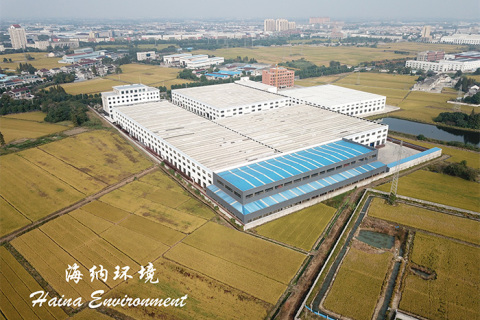
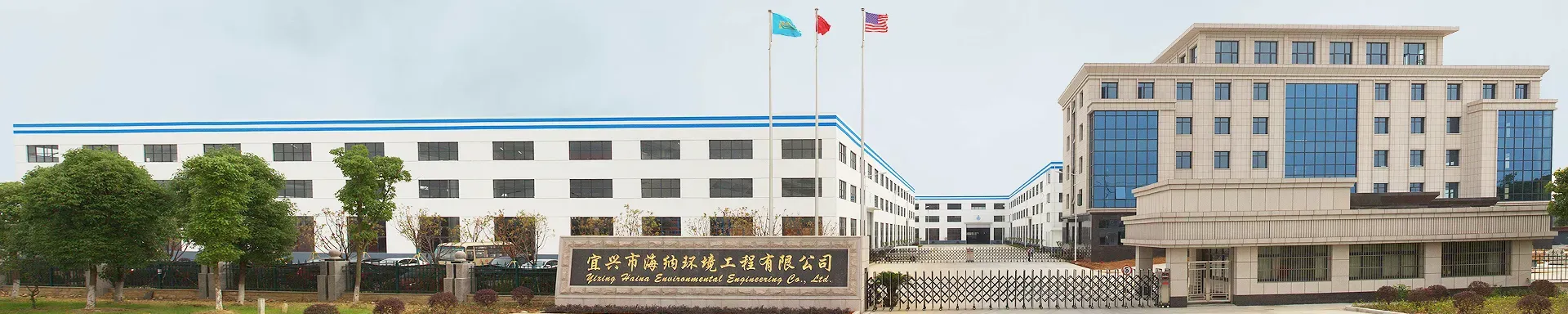
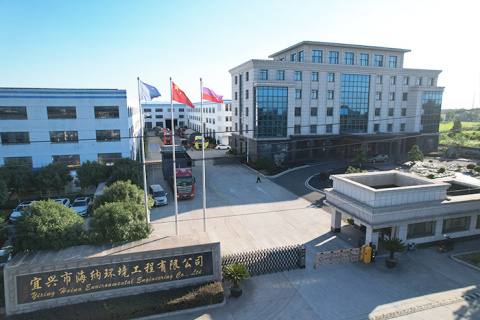
Yixing Haina Environmental Protection Engineering Co., Ltd. was established in 1995 in Yixing, known as the "Capital of Environmental Protection Technology" in China. It has developed from a local workshop into a globally recognized well - known enterprise in the field of air pollution control.
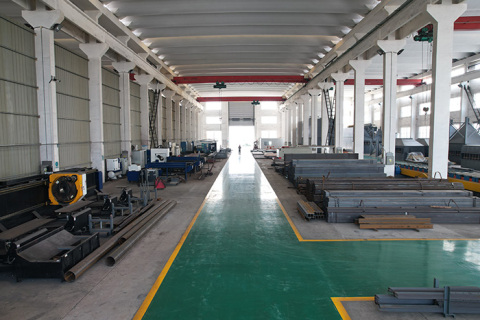
Quality is not inspected—it is built. At Haina, we have implemented a full - cycle quality management system covering every stage from raw material input to final commissioning.
The load of industrial boilers varies. However, most denitrification systems assume steady - state operation—this leads to low efficiency in nitrogen oxide (NOx) reduction during low - load periods.
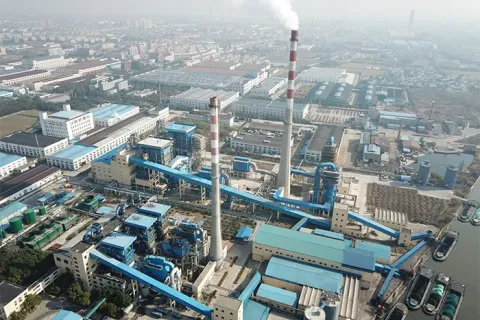
Regulations are evolving. Fuels are changing. Loads are fluctuating. However, many power plants invest in emission systems designed only for current rules—this puts them at risk of premature obsolescence in the future.
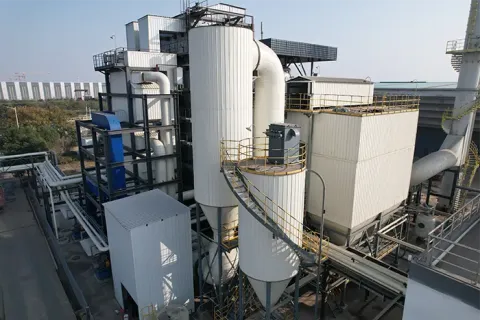
A common dilemma for biomass power plant operators is: Should I use dry (SDS) or wet flue gas desulfurization (FGD)?
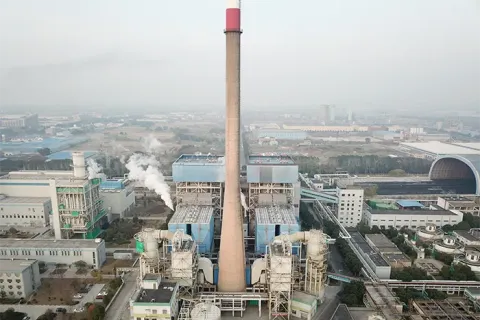
With the development of decentralized energy—driven by biomass energy, waste - to - energy, and industrial cogeneration—the demand for compact, efficient, and affordable emission control systems is also increasing. Standard power - plant - level solutions are often too large, too complex, and too expensive for boilers under 130 tons per hour, which are common in food processing, textiles, and district heating. Haina specializes in this niche market.
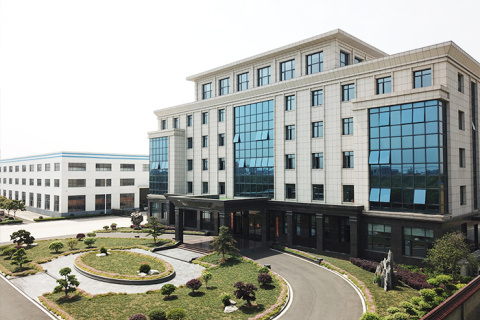
Buying emission control equipment should not be a "one - and - done" gamble.
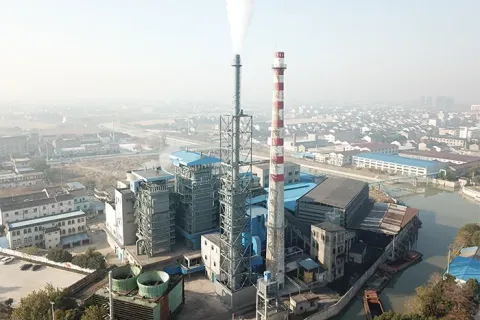
When regulations require particulate matter emissions to be less than 10 mg/Nm³, mechanical and bag filtration reach their limits. This is where Haina's Wet Electrostatic Precipitator (WESP) comes into play.
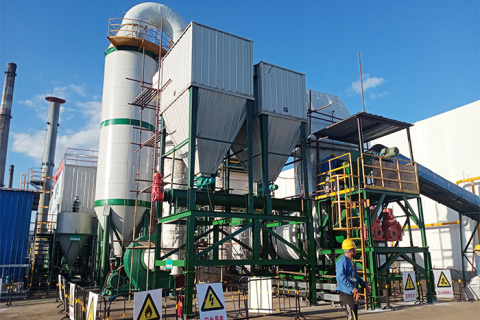
Although bag filters dominate modern air pollution control, in one application area, ceramic multi - tube dust collectors still perform excellently: biomass boilers with high humidity and high spark content.
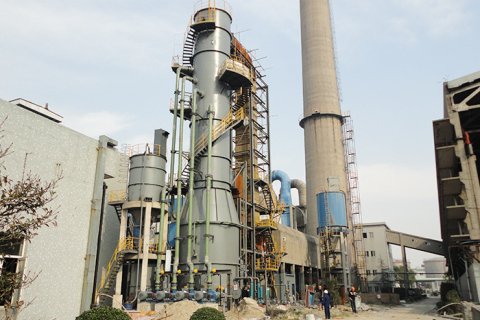
In the field of industrial flue gas desulfurization, corrosion resistance is not just a feature—it is the foundation for the long-term operation of equipment.