


How to Achieve High Dust Collection Efficiency?
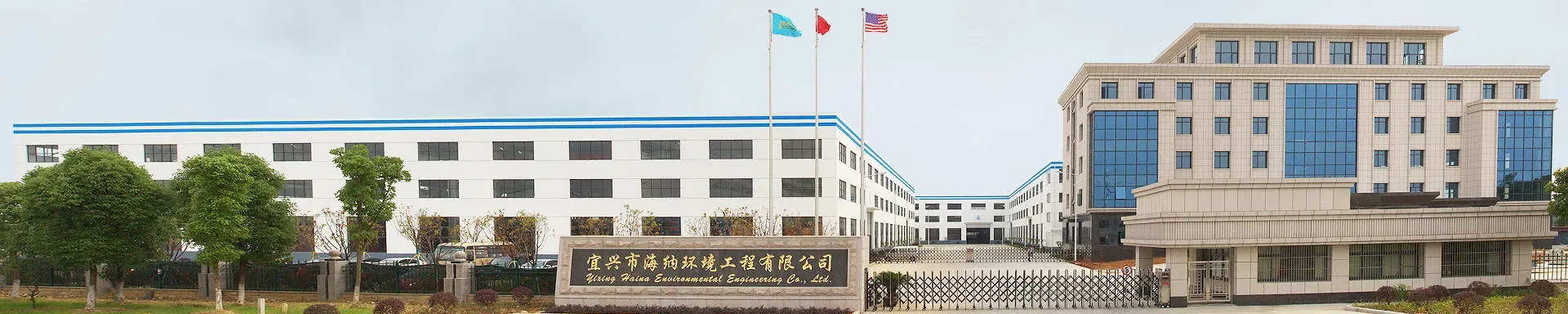
2026-10-30 09:06In the high-stakes world of precision manufacturing, dust isn't just a nuisance—it's a silent saboteur. Imagine a bustling semiconductor fabrication plant in Dresden, where a single particle can ruin a million-dollar wafer batch. Or a pharmaceutical production line in Ireland, where cross-contamination risks regulatory shutdowns. These scenarios are all too common, and they all hinge on one critical factor: high dust collection efficiency. So, how do you achieve it? The answer lies in a combination of advanced filtration technology, intelligent system design, and a deep understanding of your process. In this blog, we'll explore the strategies that leading manufacturers use to attain and sustain exceptional dust collection efficiency, and how Yixing Haina Environmental Engineering Co.,Ltd is helping them get there.
Pain Points: The Hidden Costs of Inefficient Dust Collection
Before we dive into solutions, let's examine the real-world pain points that plague many facilities. These aren't just minor inconveniences—they translate into significant financial and operational impacts.
1. Energy Waste and Rising Operational Costs
Dust collection systems often account for a substantial portion of a plant's energy consumption—sometimes up to 20% or more. Inefficient systems, characterized by oversized fans, leaky ductwork, or clogged filters, force motors to work harder, driving up electricity bills. For a mid-sized automotive parts manufacturer in Michigan, this meant an extra $120,000 annually in energy costs. Beyond the direct expense, the carbon footprint grows, conflicting with corporate sustainability goals. The impact is not just financial; it's reputational and environmental.
2. Compliance Risks and Regulatory Fines
Environmental regulations, such as the EPA's National Emission Standards for Hazardous Air Pollutants (NESHAP) in the US and the Industrial Emissions Directive (IED) in the EU, set strict limits on particulate matter emissions. Non-compliance can result in hefty fines, legal battles, and even facility shutdowns. A metal processing plant in Ohio learned this the hard way when an outdated baghouse led to a violation notice and a $250,000 penalty. The cost of remediation and the subsequent downtime far exceeded the investment in a modern system. Moreover, the reputational damage eroded customer trust.
3. Maintenance Headaches and Production Downtime
Frequent filter replacements, unplanned maintenance, and system failures disrupt production schedules. In a food processing facility in the Netherlands, clogged filters caused a 12-hour unplanned shutdown every month, costing €50,000 per incident in lost output and overtime labor. The maintenance team was constantly firefighting, diverting resources from strategic initiatives. This reactive approach not only increases costs but also compromises product quality and worker safety.
Solutions: Engineering High Dust Collection Efficiency
Addressing these pain points requires a holistic approach that combines cutting-edge technology with tailored engineering. Here's how Yixing Haina Environmental Engineering Co.,Ltd tackles each challenge.
1. Energy Optimization through Smart Design
To combat energy waste, we start with a thorough system audit, using computational fluid dynamics (CFD) to model airflow and identify inefficiencies. Our high-efficiency fans and variable frequency drives (VFDs) adjust motor speed based on real-time demand, reducing energy consumption by up to 40%. Additionally, we employ low-pressure-drop filter media and optimized ducting to minimize resistance. For the Michigan manufacturer, our retrofit resulted in annual savings of $85,000 and a 30% reduction in carbon emissions.
2. Compliance Assurance with Advanced Filtration
Meeting and exceeding regulatory standards is non-negotiable. We design systems with high-efficiency particulate air (HEPA) filters and membrane filter media that capture particles down to 0.3 microns with 99.97% efficiency. Our systems are equipped with continuous emission monitoring and automated reporting, ensuring you stay ahead of audits. For the Ohio plant, we installed a cartridge dust collector with HEPA after-filters, bringing particulate emissions well below the EPA limits and avoiding future fines.
3. Predictive Maintenance and Reliability
To eliminate downtime, we integrate IoT sensors that monitor pressure drop, airflow, and filter condition in real-time. Our predictive analytics platform alerts operators before issues escalate, enabling planned maintenance. We also use robust, long-life filter cartridges and quick-release access doors to simplify servicing. The Dutch food processor saw unplanned downtime drop to zero within six months, saving over €300,000 annually.
Below is a comparison of conventional versus high-efficiency dust collection systems:
| Aspect | Conventional System | High-Efficiency System (Yixing Haina) |
|---|---|---|
| Energy Consumption | High (fixed-speed fans) | Low (VFDs, optimized airflow) |
| Filtration Efficiency | 90-95% (standard bags) | 99.97% (HEPA, membrane media) |
| Maintenance | Reactive, frequent filter changes | Predictive, long-life filters |
| Compliance | Risk of violations | Exceeds standards |
| Downtime | High | Minimal |
Customer Cases and Testimonials
Our solutions have delivered measurable results across diverse industries and geographies. Here are a few examples:
Case 1: Automotive Parts Manufacturer in Stuttgart, Germany
This Tier 1 supplier struggled with high energy costs and frequent filter replacements in their welding fume extraction system. After implementing our high-efficiency cartridge collectors with VFD-controlled fans, they reduced energy consumption by 35% and cut filter replacement frequency by half. "Yixing Haina's solution paid for itself in 18 months," said Klaus Meier, Plant Manager. "Our operational costs are down, and our workers breathe cleaner air."
Case 2: Pharmaceutical Producer in Cork, Ireland
A global pharma company needed to ensure containment of potent compounds during tablet production. Our containment system with HEPA filters and glovebox integration achieved a containment level of OEB 5. "The system's reliability has been outstanding," noted Siobhan O'Connor, EHS Manager. "We've passed every audit with flying colors, and our operators feel safe."
Case 3: Metal Fabrication Shop in Cleveland, USA
This job shop faced EPA fines due to excessive particulate emissions from their plasma cutting operations. We installed a downdraft table with a high-efficiency cartridge collector, bringing emissions to 0.005 gr/dscf—well below the 0.01 gr/dscf limit. "No more fines, no more warnings," said Mike Johnson, Owner. "Yixing Haina understood our needs and delivered a cost-effective solution."
Case 4: Food Processing Plant in Rotterdam, Netherlands
This facility dealt with frequent downtime due to clogged filters in their sugar handling system. Our solution included a self-cleaning filter and predictive maintenance sensors. "We've gone from monthly shutdowns to zero unplanned downtime," said Jan de Vries, Maintenance Supervisor. "The system just works."
Applications and Partnerships
Our high dust collection efficiency systems are deployed in a wide range of applications, including:
- Pharmaceutical manufacturing (containment, cleanrooms)
- Food and beverage processing (dust from powders, grains)
- Metalworking (welding fumes, grinding dust)
- Chemical processing (toxic powders, fumes)
- Electronics manufacturing (solder fume, particulate)
We are proud to partner with leading equipment suppliers and engineering firms globally. For instance, our filtration systems are specified by top-tier OEMs in the automotive and aerospace sectors. Additionally, we collaborate with environmental consultants to ensure seamless integration into existing facilities. These partnerships are built on a shared commitment to quality and innovation, and they reinforce our position as a trusted supplier to industry leaders.
FAQ: Engineers and Procurement Managers Ask
1. What is the typical lead time for a custom dust collection system?
Lead times vary based on complexity and size, but typically range from 8 to 12 weeks from design approval to delivery. We prioritize clear communication and project management to ensure timely execution. For urgent needs, we offer expedited options.
2. How do you ensure compliance with local regulations?
We start by conducting a thorough regulatory review for your region, including EPA, OSHA, EU directives, and local codes. Our systems are designed with built-in monitoring and reporting to demonstrate compliance. We also provide documentation and support during audits.
3. What maintenance is required for your systems?
Our systems are designed for low maintenance. Depending on the application, filter replacement may be needed every 12-24 months. Predictive sensors alert you when service is due. We offer service contracts and remote monitoring to further reduce your workload.
4. Can your systems handle explosive dusts?
Absolutely. We offer explosion-proof designs that meet ATEX and NFPA standards, including grounding, venting, and spark detection. We conduct a hazard analysis to ensure safe operation.
5. What is the total cost of ownership compared to conventional systems?
While upfront costs may be slightly higher, our systems typically achieve 30-50% lower operating costs due to energy savings and reduced maintenance. Most customers see a return on investment within 2 years. We can provide a detailed TCO analysis for your specific case.
Conclusion and Call to Action
Achieving high dust collection efficiency is not just about compliance—it's about operational excellence, cost savings, and protecting your workforce. By leveraging advanced filtration, smart controls, and predictive maintenance, you can transform your dust collection from a cost center into a strategic advantage. Yixing Haina Environmental Engineering Co.,Ltd has helped manufacturers worldwide realize these benefits. Are you ready to optimize your dust collection system? Contact our sales engineers today to discuss your specific needs, or download our technical whitepaper on high-efficiency dust collection for in-depth insights and case studies.