



How to Choose a Dust Collector for Medium & Large Air Volumes?
2026-11-05 16:05Imagine walking through a sprawling manufacturing plant where the air is thick with dust from grinding, welding, or woodworking operations. You can barely see across the floor, and workers are wearing respirators just to breathe. This isn't just uncomfortable—it's a serious health hazard, a compliance nightmare, and a costly inefficiency. If you're dealing with medium to large air volumes, you've likely asked yourself: How do I choose a dust collector that actually works for my operation? The answer isn't one-size-fits-all. It requires a deep understanding of your process, the contaminants, and the airflow dynamics. In this blog, we'll cut through the noise and give you a practical roadmap to selecting a dust collection system that protects your people, your bottom line, and your reputation.
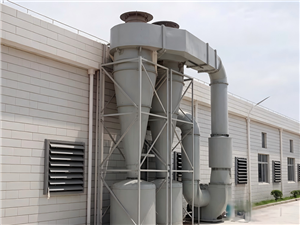
Pain Points: When Dust Collection Becomes a Headache
Before we dive into solutions, let's acknowledge the real-world problems that keep engineers and plant managers up at night. Here are three common pain points we see across industries:
1. Energy Costs Skyrocket with Inefficient Systems
Dust collectors for medium and large air volumes can consume significant energy—often accounting for 15-20% of a facility's total electricity usage. Many systems are oversized or run at full speed continuously, even when demand is low. The result? Bloated utility bills and a sustainability score that's far from green. For example, a mid-sized metal fabrication plant in Ohio reported annual energy costs of over $120,000 just for their dust collection system. After a thorough audit, they discovered that their collector was running at 100% capacity 24/7, even though production only required full airflow during two shifts. The excess energy waste was costing them roughly $30,000 per year—money that could have been invested in production improvements.
2. Compliance Violations and Fines
Environmental regulations like EPA's National Emission Standards for Hazardous Air Pollutants (NESHAP) and OSHA's combustible dust standards are strict. Falling short can lead to hefty fines, legal battles, and even facility shutdowns. We've seen a wood products manufacturer in North Carolina slapped with a $75,000 fine for exceeding particulate matter limits because their old collector couldn't handle the increased production volume. Beyond fines, the negative publicity and strained community relations can damage a brand's reputation for years.
3. Maintenance Downtime and Production Losses
Dust collectors are often the unsung heroes of a plant—until they break down. Frequent filter replacements, clogged ducts, and unexpected downtime can halt production lines. A food processing plant in California experienced 12 hours of unplanned downtime per month due to a poorly designed collector that kept clogging. At a production value of $10,000 per hour, that's $120,000 in lost revenue annually, not to mention the overtime pay for maintenance crews and expedited shipping costs for replacement parts.
Solutions: Engineered Approaches for Efficient Dust Collection
Now that we've outlined the pain, let's explore how to solve these challenges with smart engineering and the right partnership. At Yixing Haina Environmental Engineering Co., Ltd, we specialize in designing dust collection systems for medium and large air volumes that address these exact issues. Here's how:
1. Right-Sizing and Variable Frequency Drives (VFDs)
To combat energy waste, we start with a thorough airflow analysis using computational fluid dynamics (CFD) to determine the exact requirements for your process. Then, we specify a system with variable frequency drives (VFDs) that adjust fan speed based on real-time demand. For the Ohio metal fabricator mentioned earlier, we installed a system with VFDs and automated dampers that reduced energy consumption by 40%, saving them $48,000 annually. The payback period was under two years.
2. Compliance-Ready Design with High-Efficiency Filtration
Meeting regulations isn't just about having a collector; it's about having the right filtration technology. We use pleated cartridge filters or bag filters with high filtration efficiency (99.9% at 0.5 microns) to capture fine particulates. For the North Carolina wood products company, we upgraded their system with a new collector featuring HEPA-grade filters and a continuous dust removal system. Post-installation, their particulate emissions dropped by 85%, and they've been fully compliant for three years running.
3. Predictive Maintenance and Smart Controls
Downtime is the enemy of productivity. Our systems incorporate IoT sensors that monitor pressure drop, filter condition, and airflow, sending alerts when maintenance is needed—before a breakdown occurs. The California food processor saw a 90% reduction in unplanned downtime after we installed a collector with predictive maintenance features. The system also includes automated filter cleaning (pulse-jet) that extends filter life by up to 50%, reducing replacement costs and labor.
But it's not just about hardware; it's about partnering with an engineering team that understands your process. We work closely with your staff to ensure seamless integration and provide training for optimal operation.
Customer Success Stories: Real-World Results
Don't just take our word for it. Here are a few examples of how we've helped companies like yours overcome their dust collection challenges:
Case 1: Metal Fabrication in Ohio
Challenge: High energy costs and inconsistent airflow due to manual dampers.
Solution: Custom collector with VFDs and automated dampers.
Result: 40% energy savings, $48,000 annual cost reduction, and improved worker comfort.
Quote: "The Haina team didn't just sell us a collector; they engineered a solution that paid for itself in less than two years." – Plant Manager, Ohio Metal Works.
Case 2: Wood Products in North Carolina
Challenge: Facing EPA fines for particulate emissions and frequent filter replacements.
Solution: High-efficiency cartridge collector with continuous dust removal.
Result: 85% reduction in emissions, compliance achieved, and 30% lower maintenance costs.
Quote: "We finally have peace of mind knowing we're not only compliant but also saving on upkeep." – Environmental Health & Safety Director, Carolina Woodcraft.
Case 3: Food Processing in California
Challenge: Frequent downtime due to clogging and high maintenance costs.
Solution: Collector with predictive maintenance sensors and automated pulse-jet cleaning.
Result: 90% reduction in unplanned downtime, 50% longer filter life, and $100,000 annual savings.
Quote: "The predictive maintenance feature is a game-changer. We know about issues before they become problems." – Maintenance Supervisor, Golden State Foods.
Case 4: Chemical Processing in Texas
Challenge: Combustible dust hazards and strict OSHA compliance.
Solution: Explosion-proof collector with spark detection and suppression system.
Result: Zero incidents, full OSHA compliance, and improved safety culture.
Quote: "Haina's expertise in hazardous environments gave us confidence that we were making the right investment." – Safety Manager, Lone Star Chemicals.
Applications and Partnerships: Trusted by Industry Leaders
Our dust collection systems are deployed across a wide range of industries, including metalworking, woodworking, food processing, chemical manufacturing, and pharmaceuticals. We've partnered with leading equipment suppliers and engineering firms to deliver turnkey solutions. For instance, we collaborate with fan manufacturers like Chicago Blower and filter media suppliers like Donaldson to ensure our systems use the highest quality components. Our clients include Fortune 500 companies and mid-sized enterprises alike, all of whom rely on our technical expertise and commitment to service.
FAQ: Expert Answers to Common Questions
Q1: What factors determine the size of a dust collector for medium to large air volumes?
A: Key factors include airflow volume (CFM), contaminant type and concentration, ductwork design, and required filtration efficiency. We use software like AutoCAD and CFD to model your system and ensure optimal sizing.
Q2: How often should filters be replaced in a high-volume dust collector?
A: It depends on the dust loading and filter type. With proper pre-filtration and pulse-jet cleaning, cartridge filters can last 2-5 years, while bag filters may last 5-10 years. Our predictive maintenance sensors help you replace filters only when needed, maximizing lifespan.
Q3: Can a dust collector handle both fine and coarse dust particles?
A: Yes, with the right filter media and multi-stage filtration. We often use a cyclone pre-separator for coarse particles followed by a cartridge or bag filter for fine dust, ensuring high efficiency and long filter life.
Q4: What are the key considerations for combustible dust applications?
A: You need explosion-proof motors, spark detection, grounding, and possibly chemical suppression systems. We design systems compliant with NFPA standards and conduct hazard analyses to ensure safety.
Q5: How can I reduce the noise level of my dust collector?
A: Noise can be mitigated with acoustic enclosures, silencers, and low-noise fans. We also position fans away from work areas and use vibration isolation mounts. Our systems are designed to meet OSHA noise limits (85 dB over 8 hours).
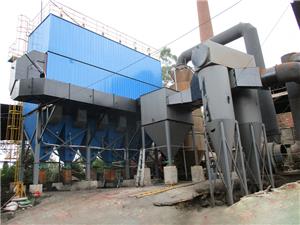
Conclusion and Call to Action
Choosing the right dust collector for medium and large air volumes is a critical decision that impacts your bottom line, your compliance, and your workers' health. By understanding your pain points and leveraging engineered solutions like VFDs, high-efficiency filtration, and predictive maintenance, you can turn your dust collection system from a cost center into a strategic asset. At Yixing Haina Environmental Engineering Co., Ltd, we're here to help you every step of the way—from initial consultation to installation and beyond. Ready to breathe easier? Contact our sales engineers today to request a free technical whitepaper or schedule a site assessment. Let's engineer a cleaner, safer, and more efficient future together.