

- Home
- >
- Products
- >
- SCR Denitrification
- >
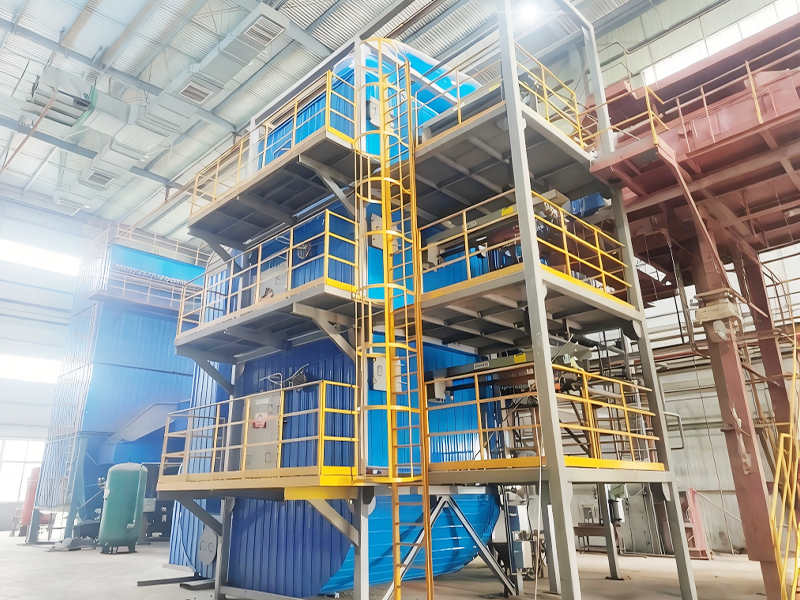
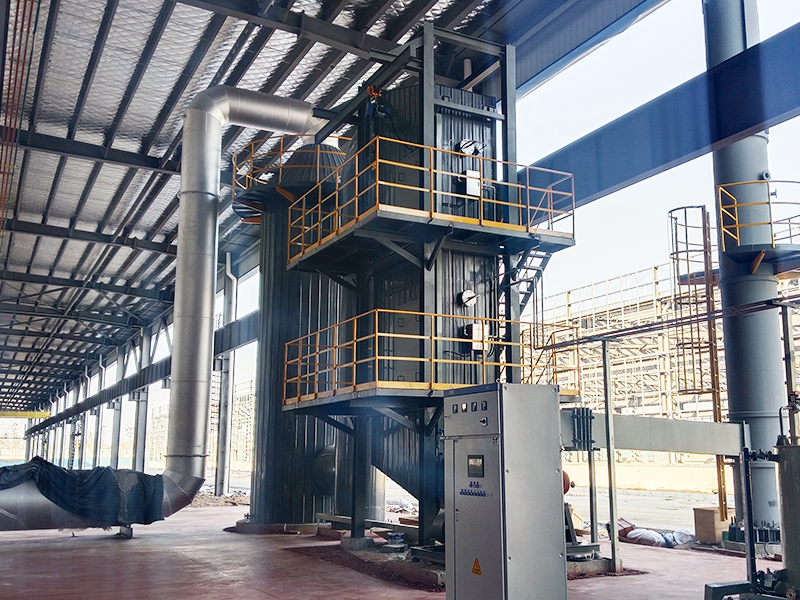
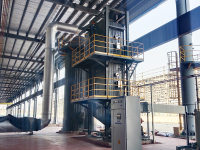
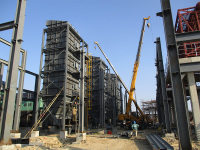
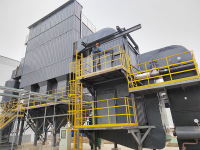
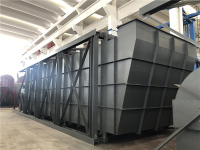
SCR Denitrification
SCR denitration technology refers to the use of reductant (urea, ammonia, liquid ammonia, etc.) in the appropriate temperature range, aerobic conditions and the action of the catalyst, NOx selective reduction to harmless nitrogen and water.
- Environmental Engineering
- Wuxi, China
- Information
Product Overview
SCR Denitration Technology and Working Principle
SCR denitration technology refers to the use of reductant (urea, ammonia, liquid ammonia, etc.) in the appropriate temperature range, aerobic conditions and the action of the catalyst, NOx selective reduction to harmless nitrogen and water.
The advantages of this method are as follows: the reaction temperature is low due to the use of catalyst; High purification rate, up to more than 85%; Craft building compact, reliable operation; The restored nitrogen gas is vented without secondary pollution. denitration technology is widely used in waste gas treatment at home and abroad.
Classification of Denitration
According to the use temperature of SCR denitration, it can be divided into high temperature SCR, medium temperature SCR and low temperature SCR. The flue gas temperature for high temperature SCR is 320~420℃. The flue gas temperature for medium temperature SCR: 290~320℃; The flue gas temperature for low temperature SCR: 180~290℃.
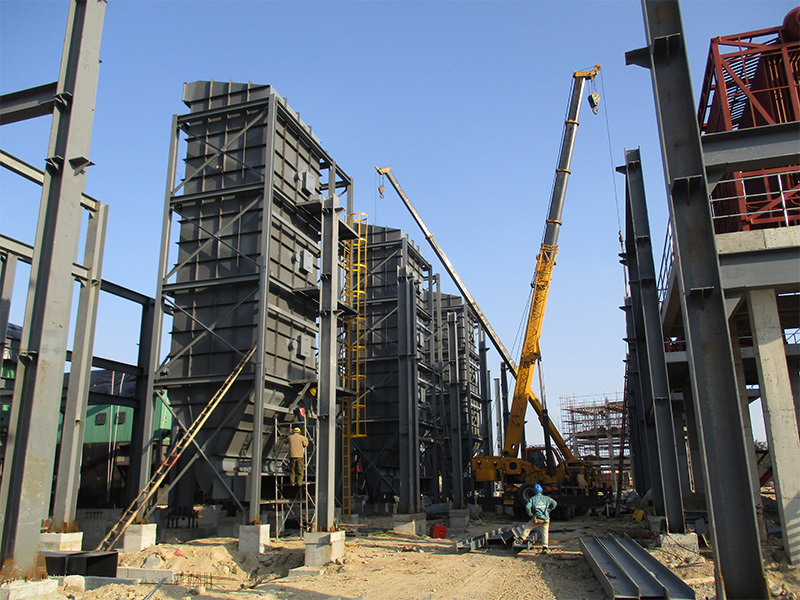
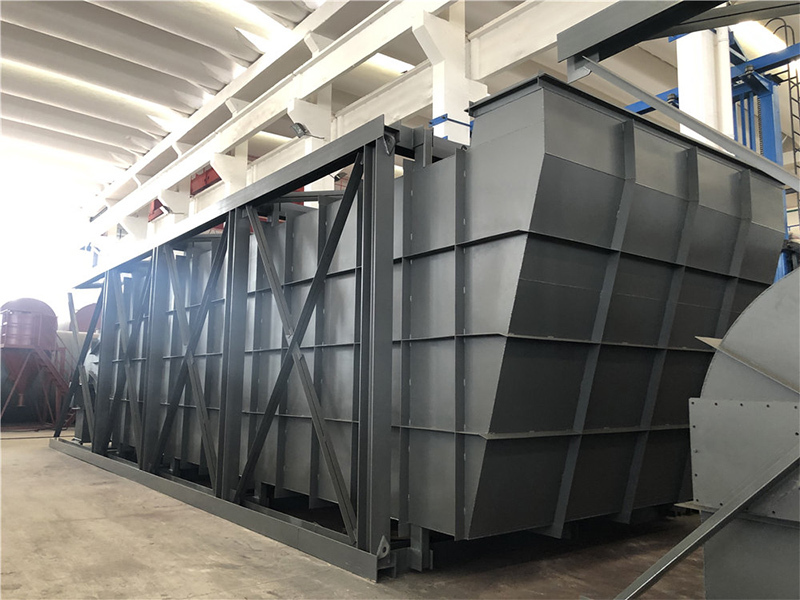
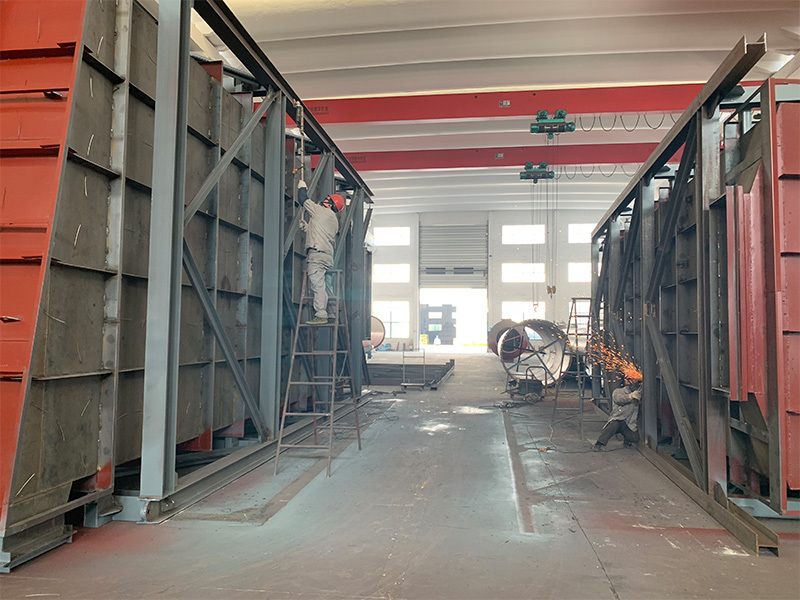
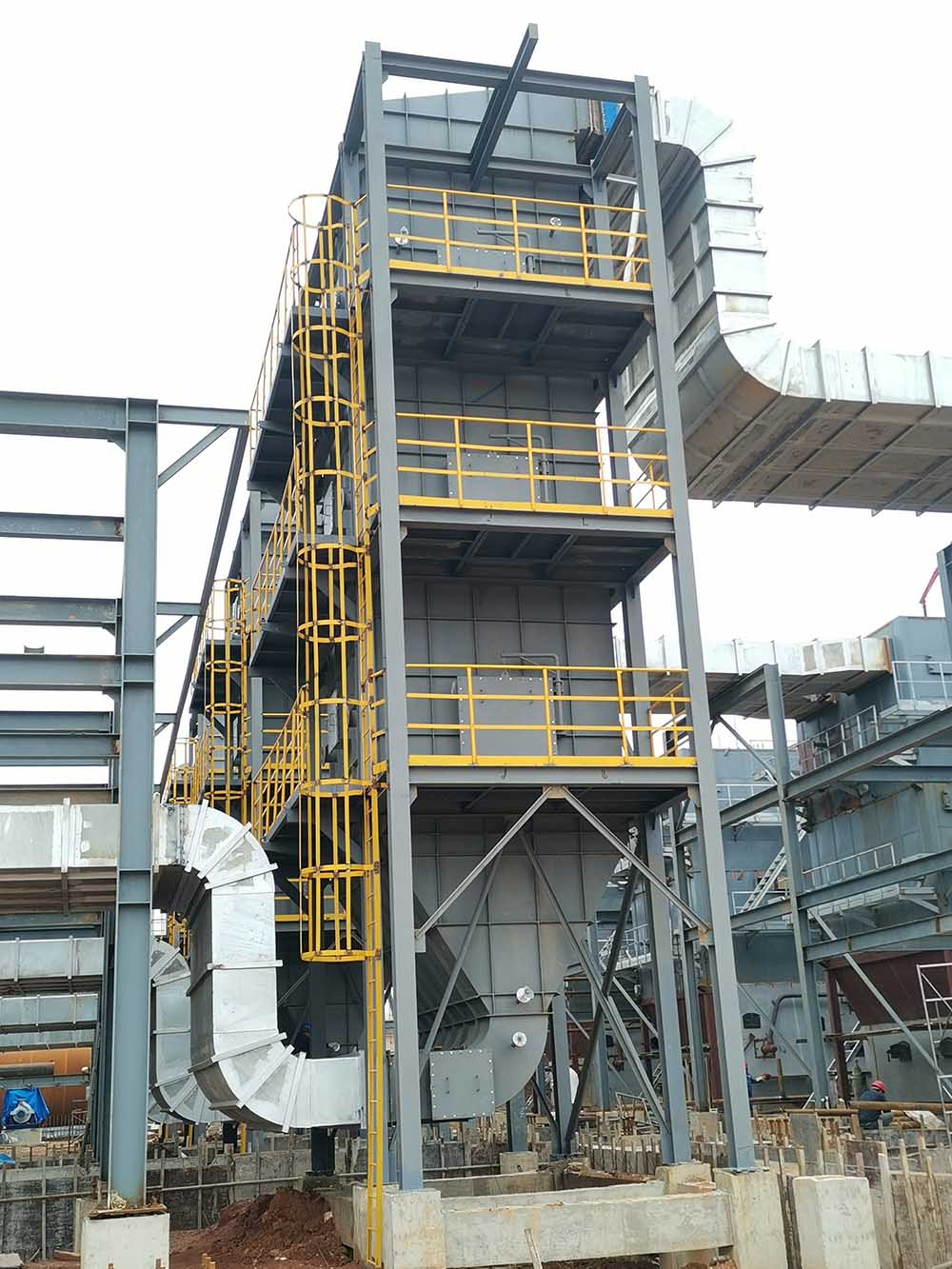
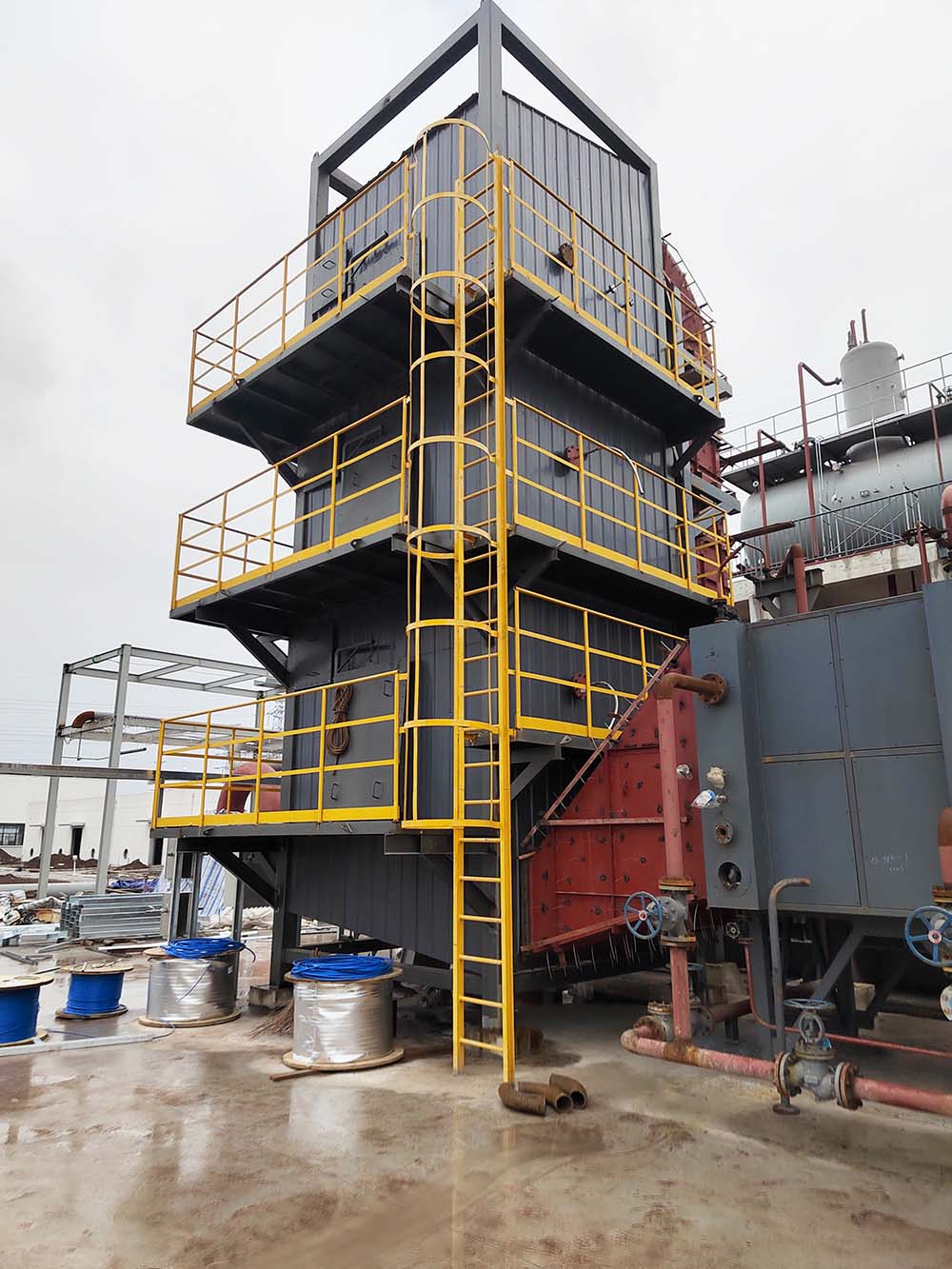
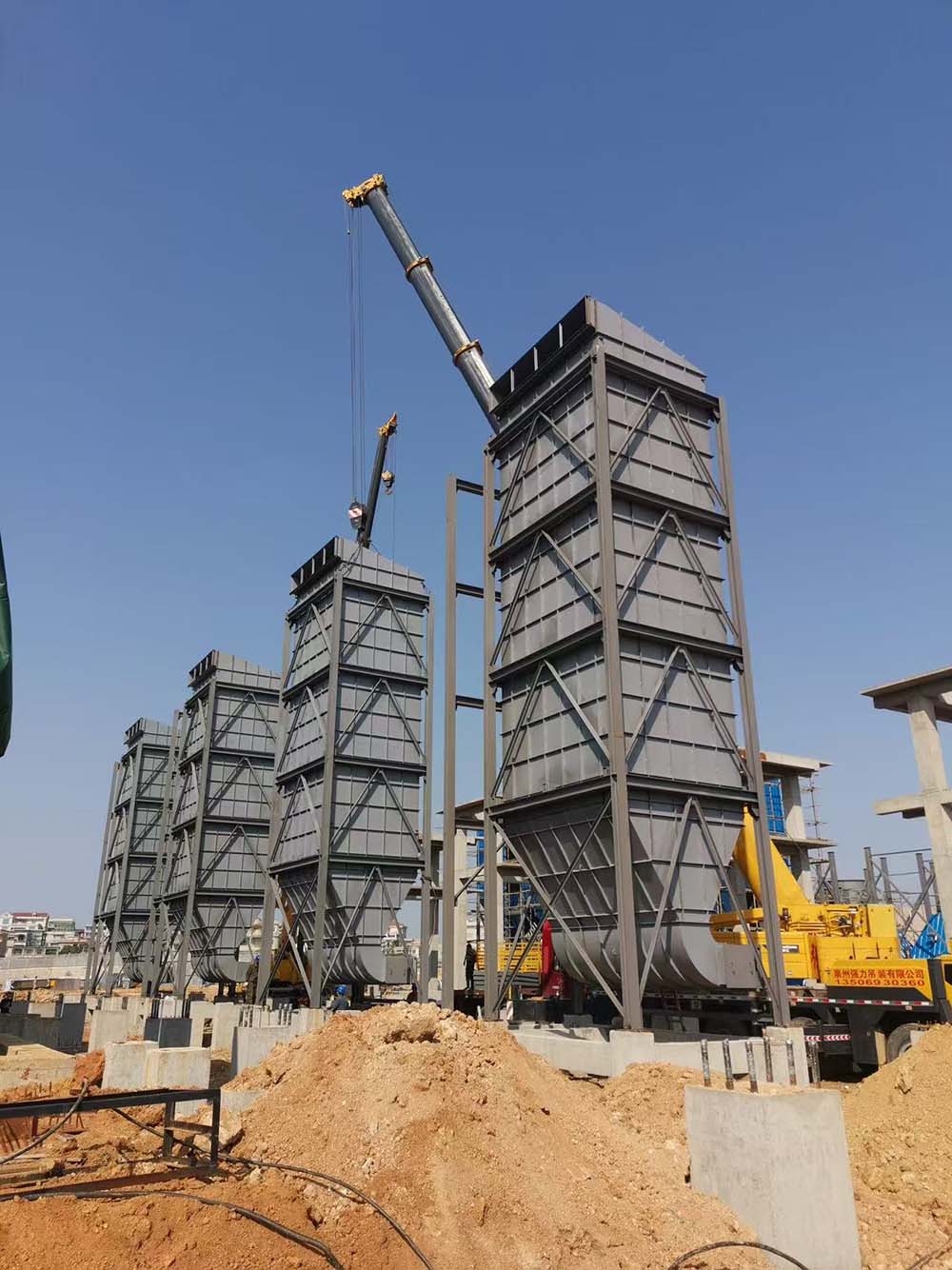
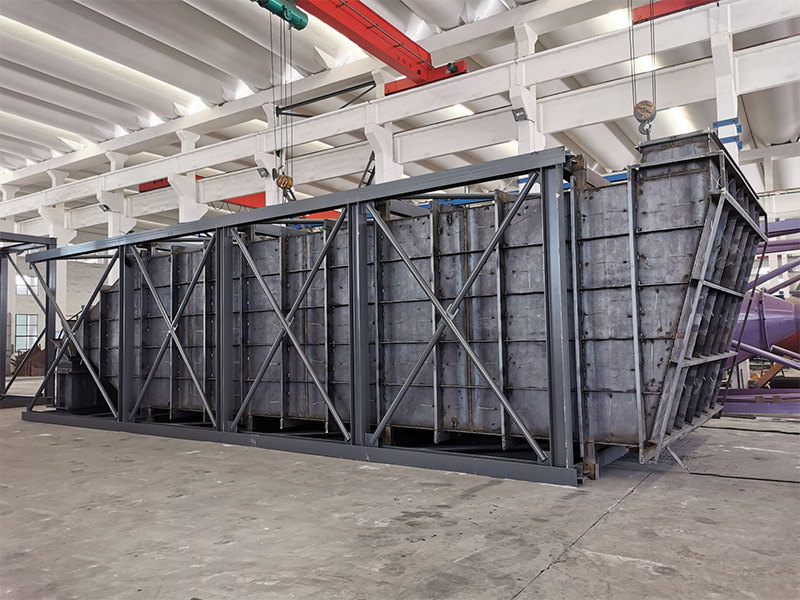
SCR split module
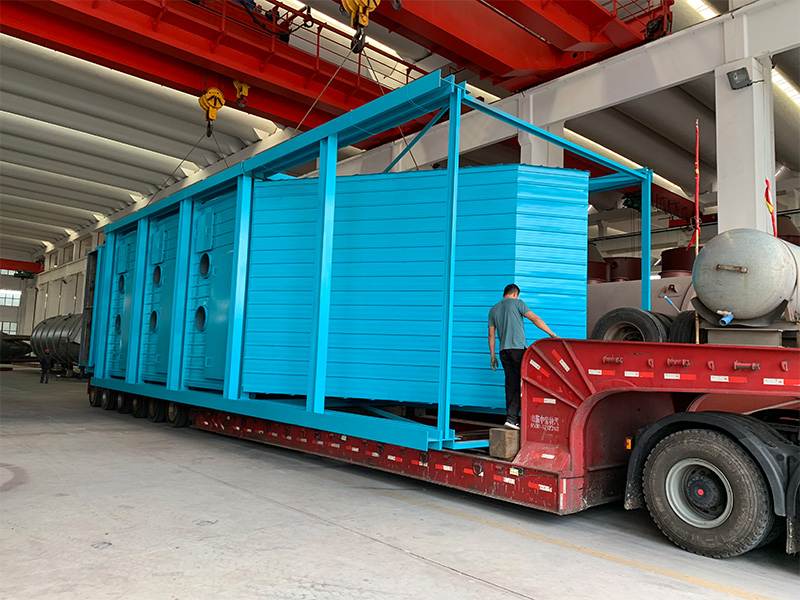
SCR assembly module
SCR Denitration System Composition
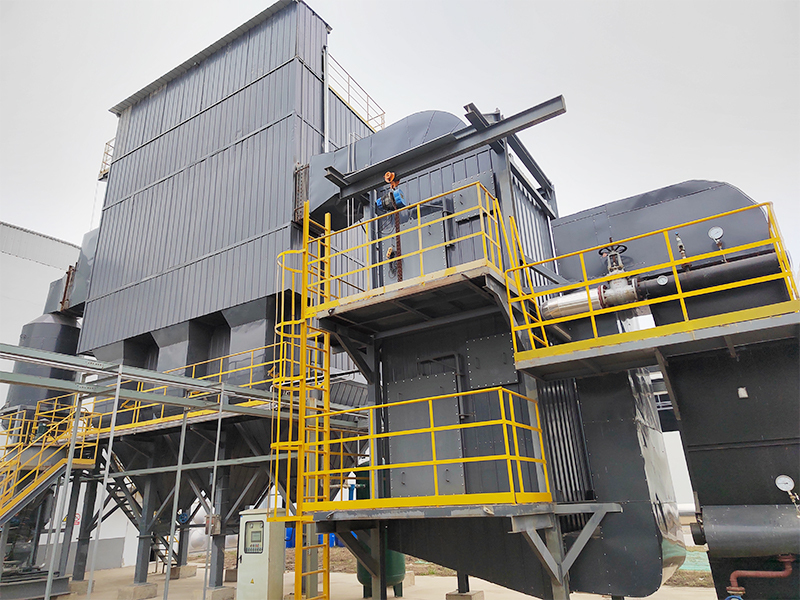
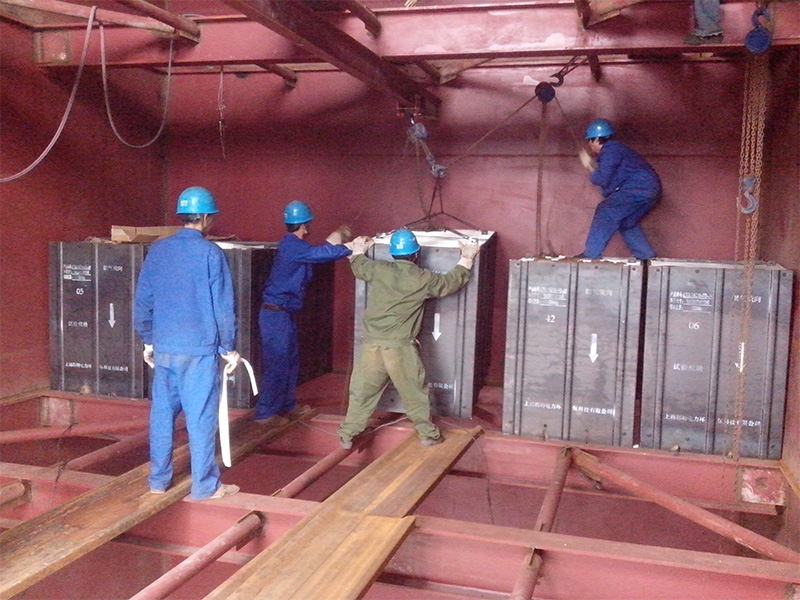
SCR denitration system mainly includes SCR reactor, catalyst, reactor shell and steel structure, flue system, reductant storage, preparation and supply system, reductant injection system and ash blowing system.
| Range of Application | New, expanded or rebuilt units or old units in service |
| Units with high NOX emission requirements or ultra-low NOX emission requirements | |
| Suitable for power station boiler, industrial boiler, cement kiln, garbage incinerator, etc. |
Denitrification device layout forms
One is high - dust layout, where the SCR denitrification device is placed before the bag filter.
Advantages:
For medium - temperature catalysts with a temperature > 300°C, the level of sulfur dioxide generally doesn't need to be considered as it works well regardless of its concentration.
For medium - low temperature catalysts operating at 180 - 280°C, according to the flue gas temperature, the level of sulfur dioxide needs to be considered correspondingly. The lower the required temperature for the device inlet, the lower the sulfur dioxide value is required. Of course, the lower the temperature, the higher the price of the catalyst and the greater the amount of catalyst needed. If the initial sulfur dioxide concentration is high, SDS dry desulfurization can be considered to be installed before the multi - tube dust collector. First desulfurize and then enter the SCR denitrification device; if the initial sulfur dioxide concentration is low, SDS dry desulfurization can be considered to be installed before the bag filter, that is, denitrify first and then desulfurize. The initial concentrations of sulfur dioxide and nitrogen oxides in new boilers must be provided by the fuel supplier or the owner. Based on years of experience, the sulfur dioxide in biomass boilers ranges from 20 to 400 mg, usually < 100 mg; for renovation projects, the accurate values can be obtained by pulling out the online monitoring data.
Disadvantages:In high - dust conditions, the catalyst should have a larger number of holes. Generally, 18 - 20 holes are selected, which increases the quantity of catalysts.
When the boiler load varies greatly, the moisture content increases at low loads. The catalyst surface is prone to ash deposition and blockage, and alkali metals can also affect the activity of the catalyst.
The service life is shorter. The warranty period of the catalyst for the pre - installed SCR by the catalyst manufacturer is one year.
2. The other is low - dust layout, where the SCR denitrification device is placed after the bag filter.
Advantages:
The flue gas entering the catalyst is very clean with almost no dust. The bag filter removes most of the alkali metals and some heavy metals, which is beneficial to the surface activity and service life of the catalyst. The number of holes in the catalyst can be smaller, generally 22 - 25 holes.
Disadvantages:If the SCR denitrification is pre - installed, when the catalyst is selected based on the minimum temperature of 180°C, it can operate normally as long as the sulfur dioxide concentration is low enough.
If the SCR denitrification is post - installed, it is difficult to control the temperature not to be lower than 180°C due to the large variation of the boiler load, unless the boiler manufacturer guarantees this temperature value. When the flue gas temperature at the boiler outlet is at its lowest, for example, 220°C, after passing through the multi - tube dust collector, economizer, dry desulfurization device, bag filter, etc., it is difficult to control the flue gas temperature above 180°C. Unless a natural gas direct - fired furnace is installed after the bag filter or the high - temperature flue gas in the boiler is led out for heating, so temperature control is difficult.
Why Choose Us
| Basic Information | Established | 1995 |
| Registered Capital | RMB 68 million | |
| Annual Output Value | Over RMB 200 million | |
| Scale | Total Employees | 150 |
| Manufacturing Area | 35,000 ㎡ | |
| Project Experience | Total Engineering Projects | Nearly 500 |
| Denitrification Systems Delivered | ~3,000 units | |
| Dust Removal Systems Delivered | ~10,000 units | |
| Desulfurization Systems Delivered | ~5,000 units | |
| Wet Electrostatic Systems Delivered | ~250 units | |
| Technology | Patents | 50+ |
| Market Coverage | Export Regions | Africa, South America, Southeast Asia |
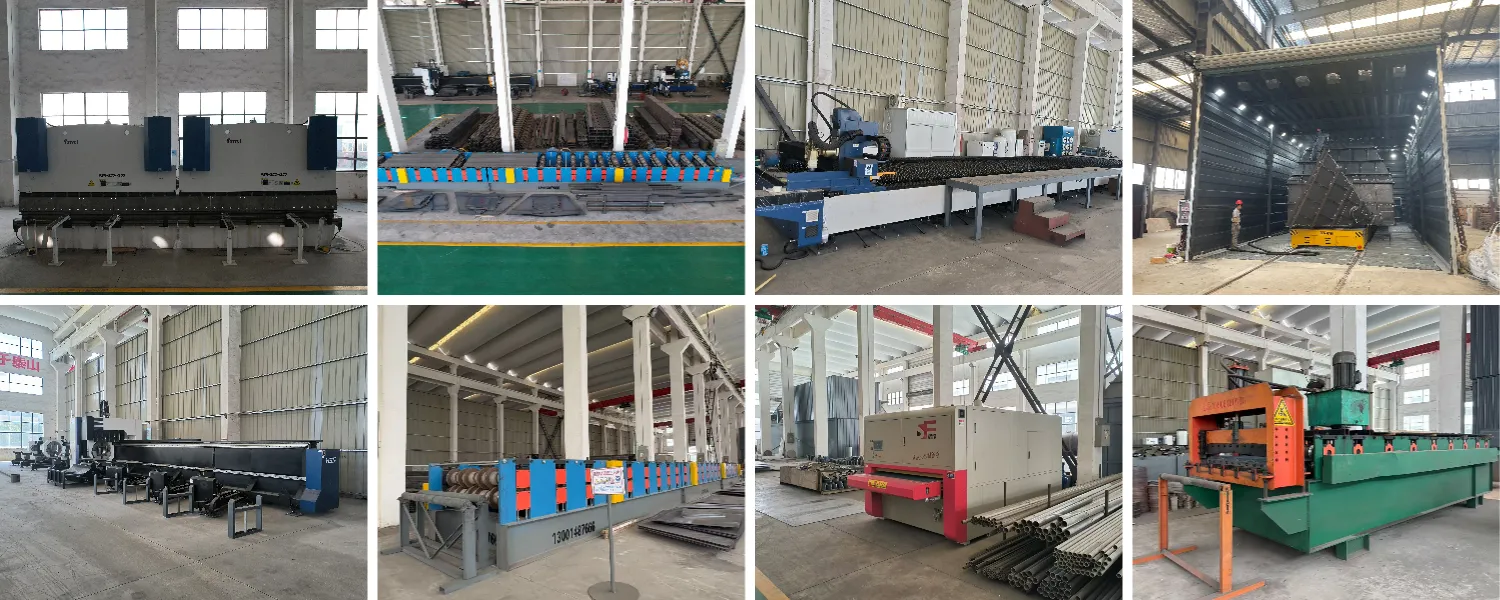
Manufacturing & Production Capacity
After-Sales Service
Haina provides on-site installation, commissioning and technical training.Regular follow-up inspections are arranged after project delivery to support long-term operation stability.
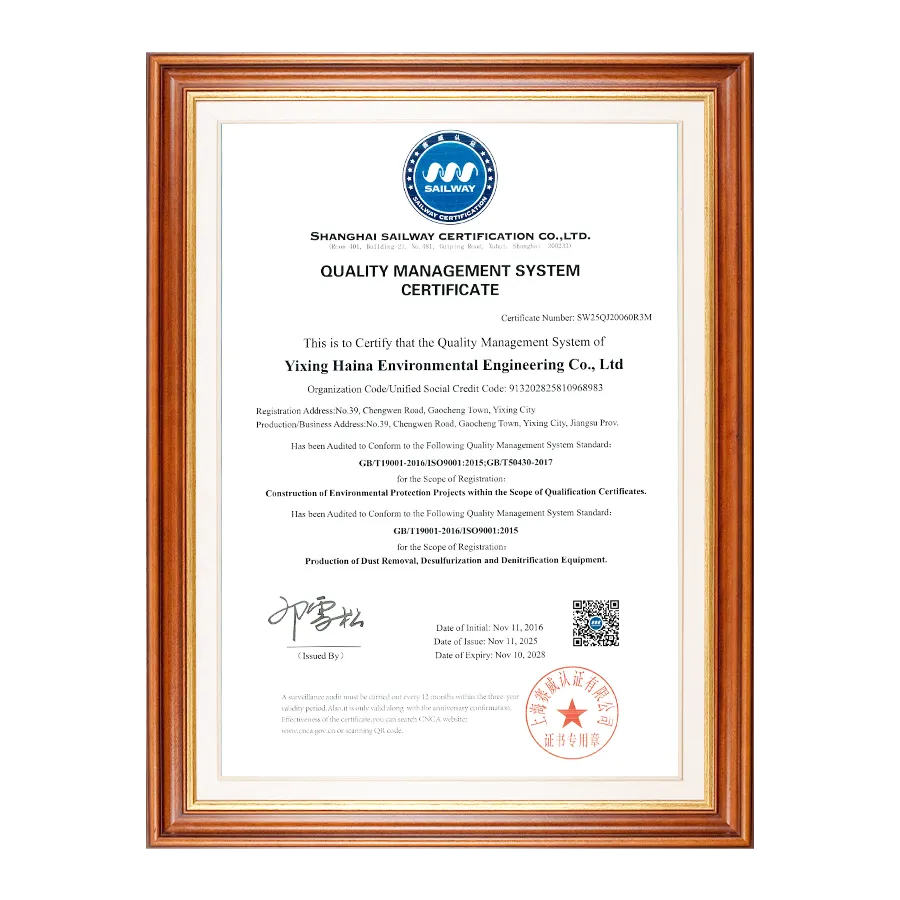
Quality Management SystemCertification Certificate |
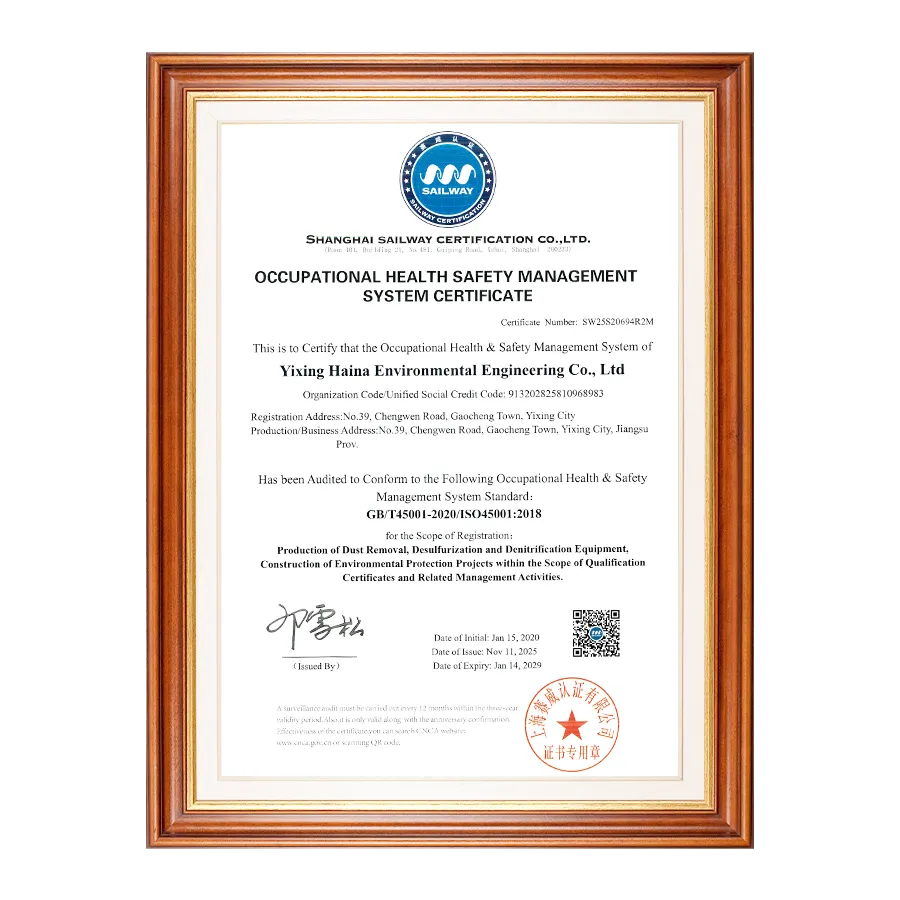
Occupational Health and Safety Management System Certification Certificate |
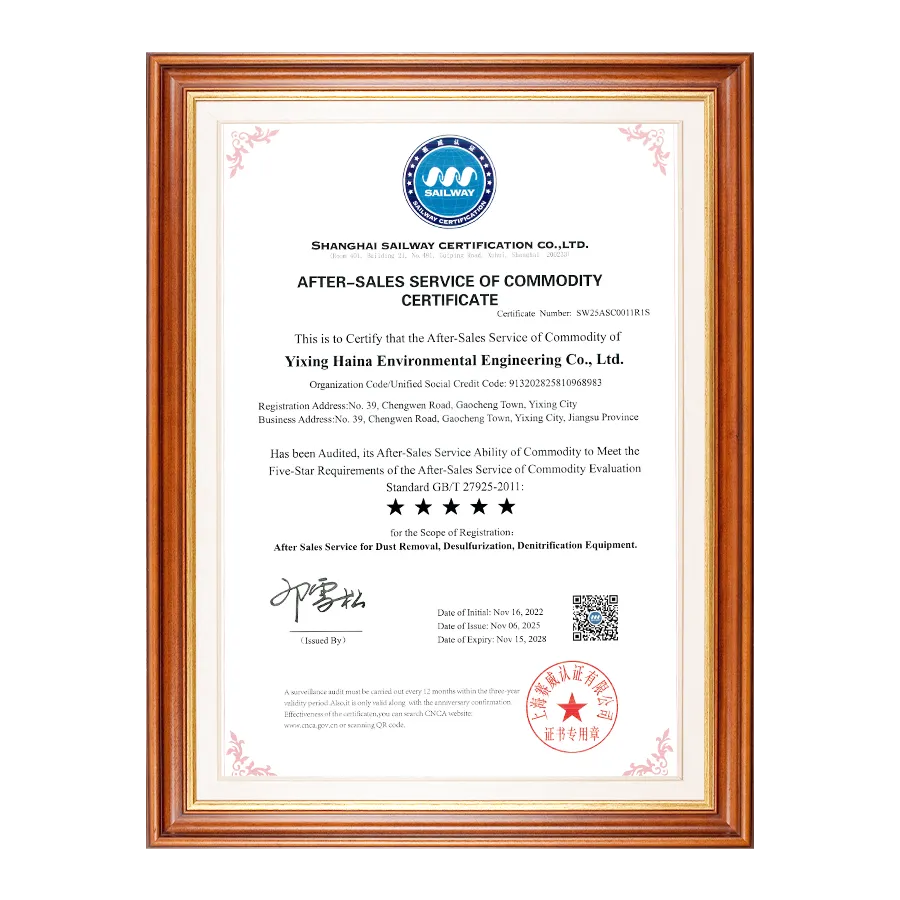
Certificate of After-Sales Service Certification for Products |
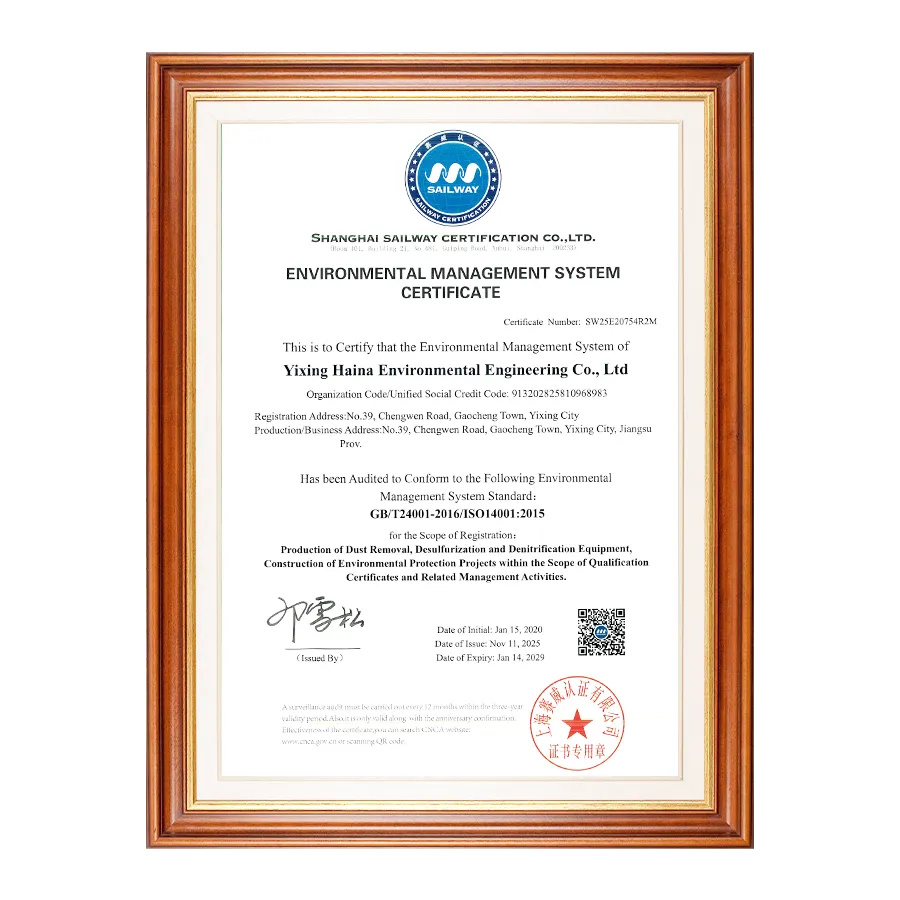
Environmental Management System Certification Certificate |