

- Home
- >
- Products
- >
- SNCR Denitration
- >
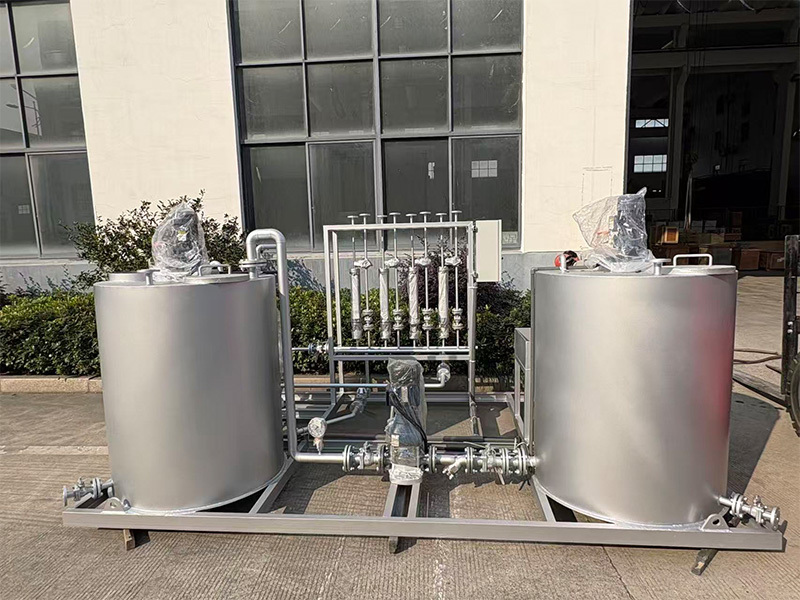
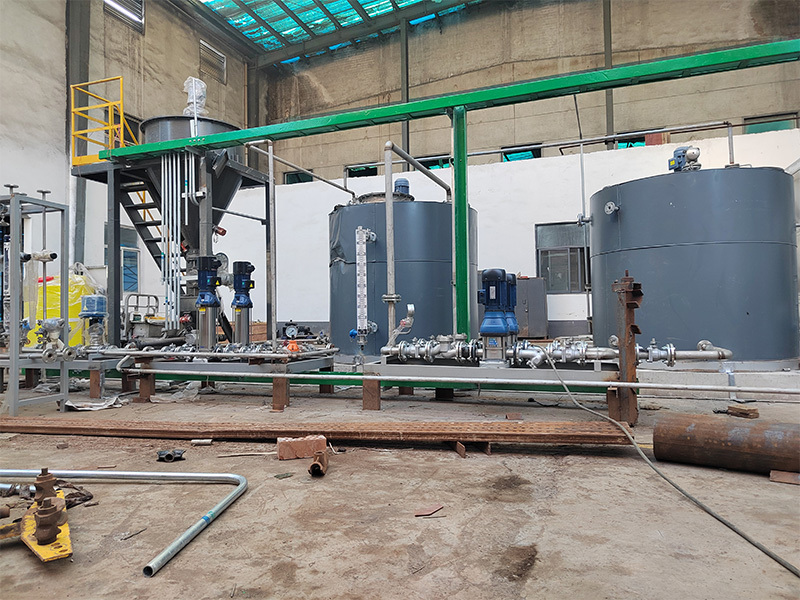
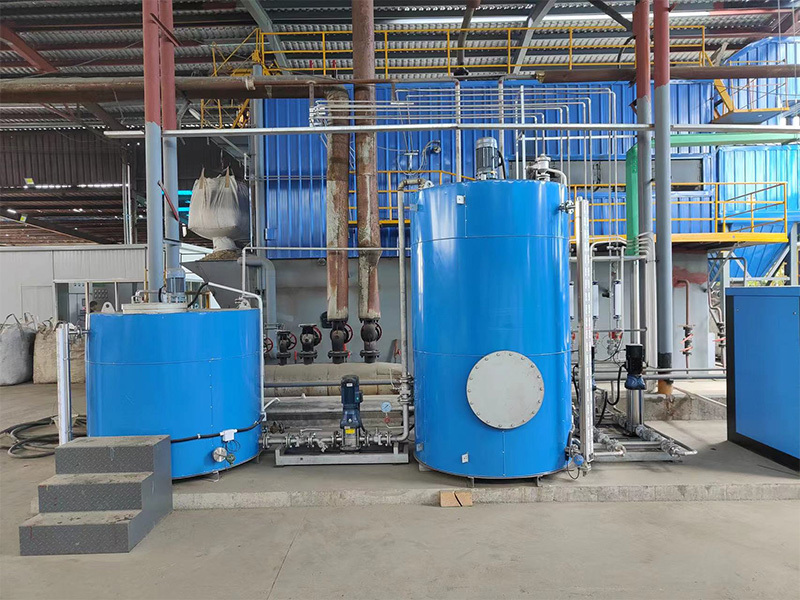
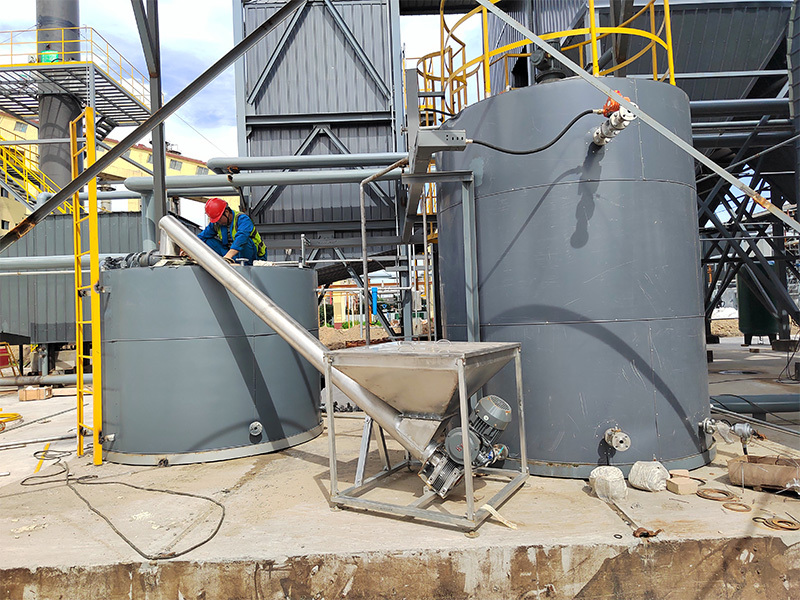
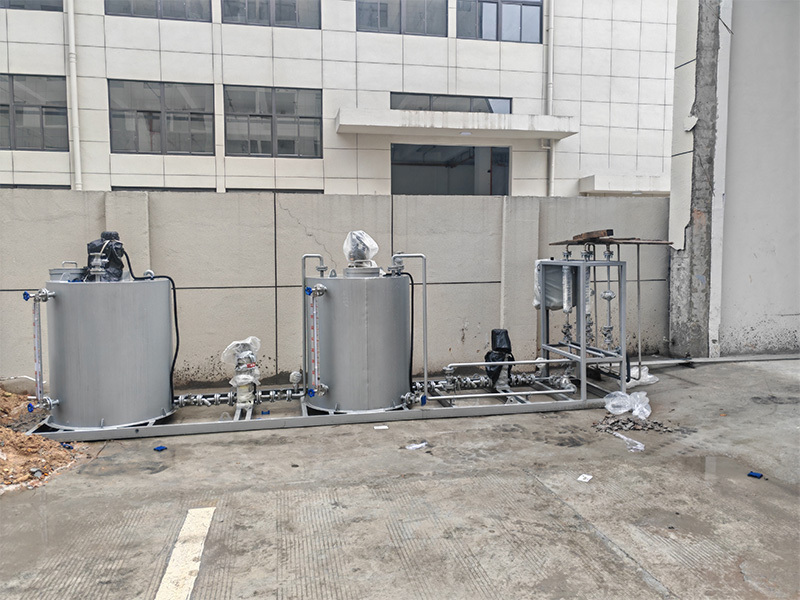
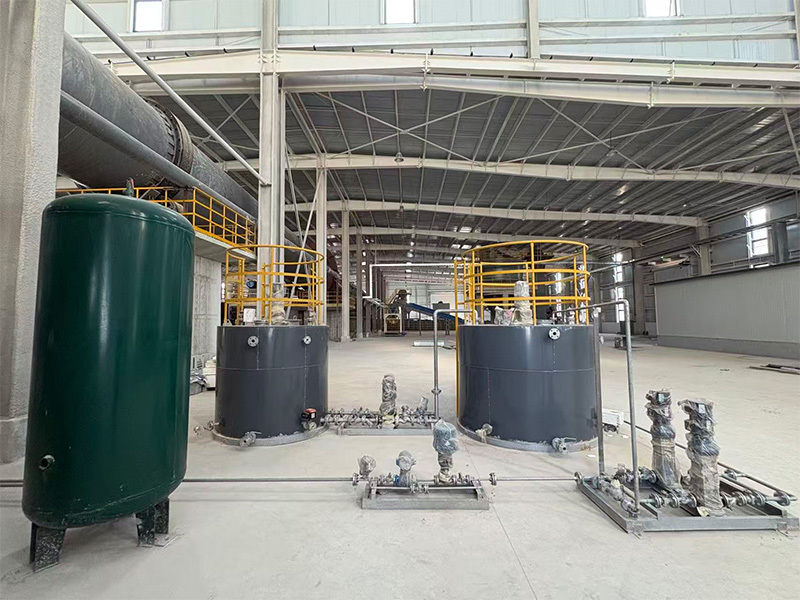
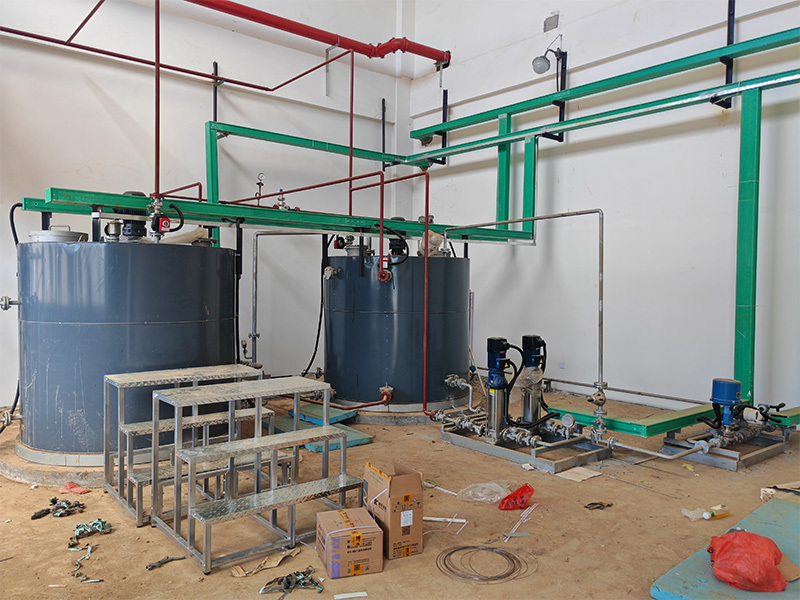
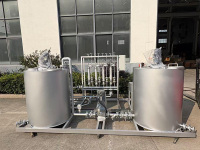
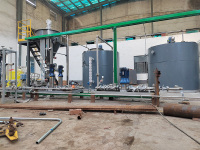
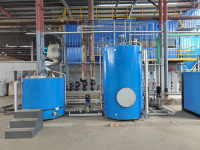
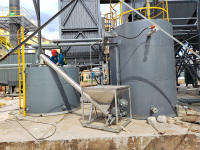
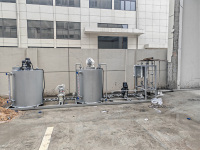
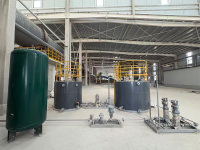
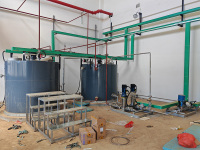
SNCR Denitration
Selective non-catalytic reduction refers to the reduction of nitrogen oxides in flue gas to harmless chlorine and water by spraying reductants in a "temperature window" suitable for the denitration reaction without a catalyst.
- Information
Product Overview
SNCR Technology and Working Principle of Denitration
Selective non-catalytic reduction refers to the reduction of nitrogen oxides in flue gas to harmless chlorine and water by spraying reductants in a "temperature window" suitable for the denitration reaction without a catalyst. In this technology, ammonia and urea are generally used as reductants to reduce NO. Reductants react only with NO in flue gas, and generally do not react with oxygen. This technique does not use catalyst, so this method is called selective non-catalytic reduction method (SNCR). Because the process does not use catalyst, reductant must be added in the high temperature area and sprayed into the furnace. The ideal temperature of ammonia method is 850~1050℃ (the ideal temperature of urea is 900~1000℃, which rapidly decomposes into NH and reacts with NO in flue gas to produce N and H2O. The denitration efficiency of SNCR flue gas denitration technology is above 60%, which is greatly affected by the size of boiler structure.
SNCR Classification and Components of Denitration Process
SNCR ammonia denitration
SNCR urea denitration
SNCR+SCR combined denitration
SNCR Components of Denitration System
SNCR+SCR combined denitration system includes :SNCR+SCR reactor + sonic soot blower.
SNCR ammonia denitration system includes ammonia unloading module, ammonia water storage module, diluted water storage module, ammonia water injection module, diluted water injection module, online dilution measurement module, secondary distribution module, injection module and control system.
SNCR urea denitration system includes: urea dissolution module, transport module, urea solution storage module, urea solution injection module, diluted water storage module, diluted water injection module, online dilution measurement module, secondary distribution module, injection module and control system.
SNCR Ammonia Denitration Flow Chart
The ideal temperature of ammonia water was 850~1050℃, and the denitration efficiency is above 60%.
SNCR+SCR Denitration/flow Chart
SNCR+SCR denitration, SNCR denitration treatment 50-60%, SCR denitration treatment 40-50%, denitration efficiency can meet the environmental protection ultra-low emission requirements. Relatively independent installation of SCR denitration cost savings of more than 30%, operating cost savings of 80%.
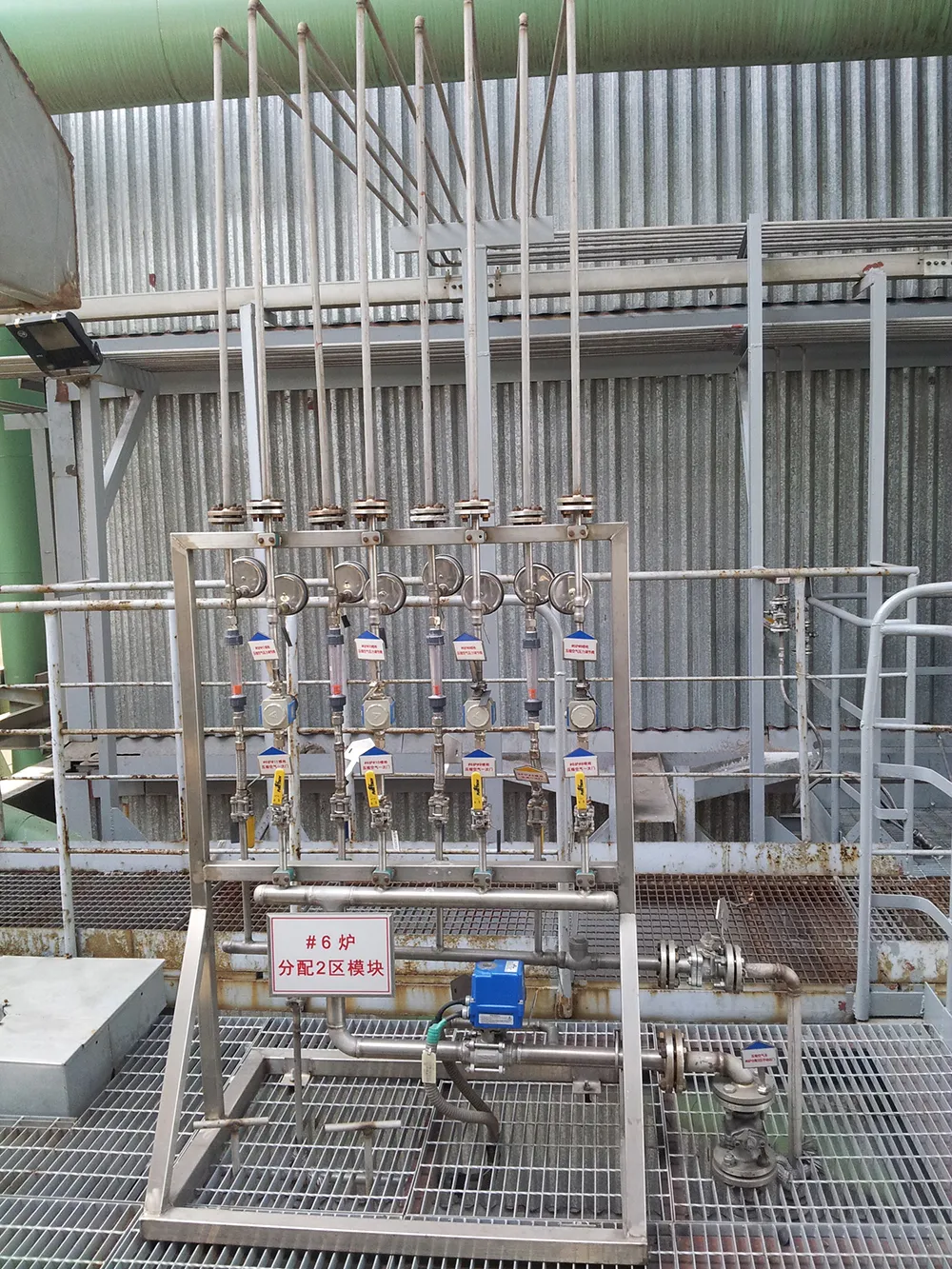
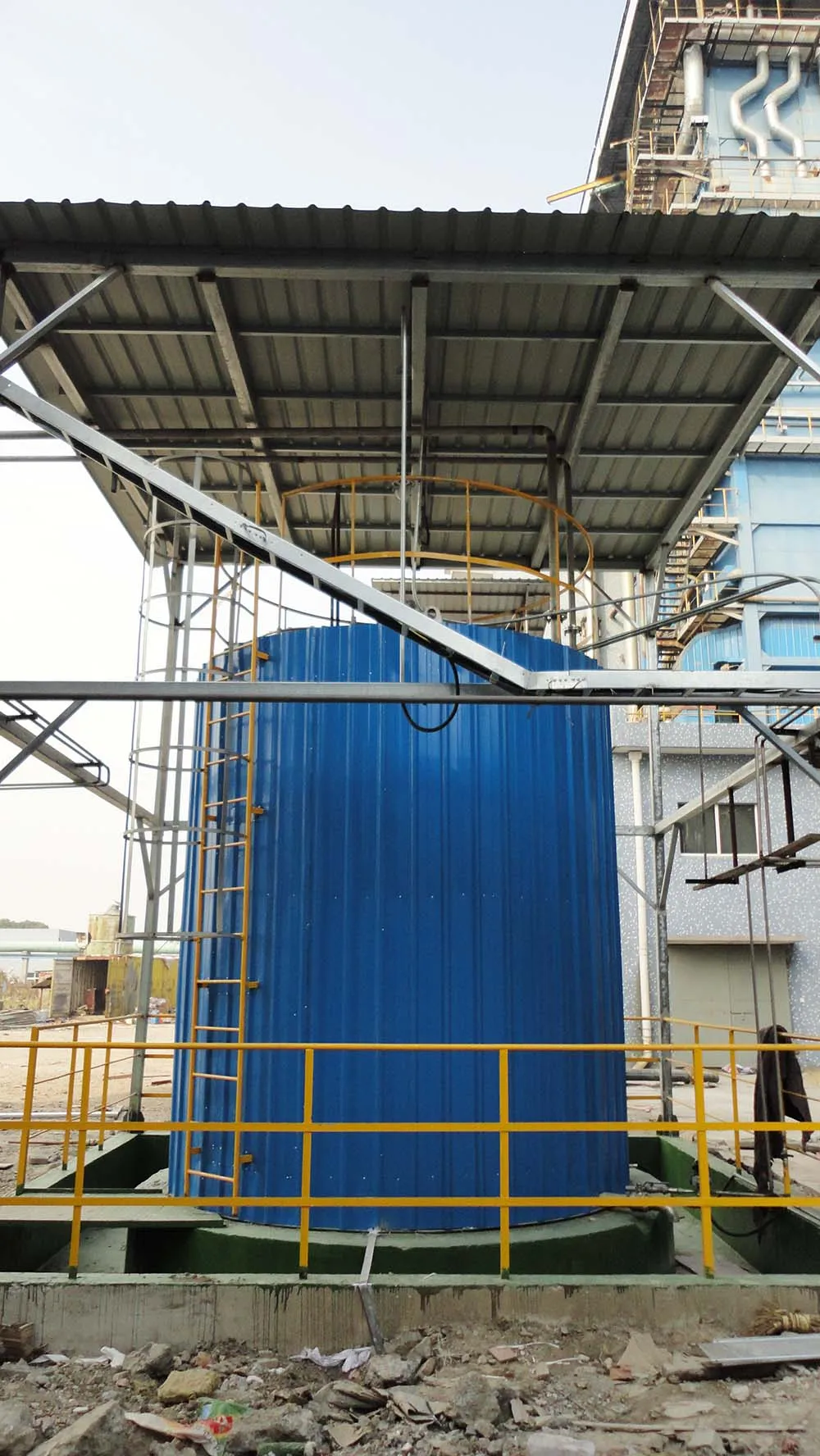
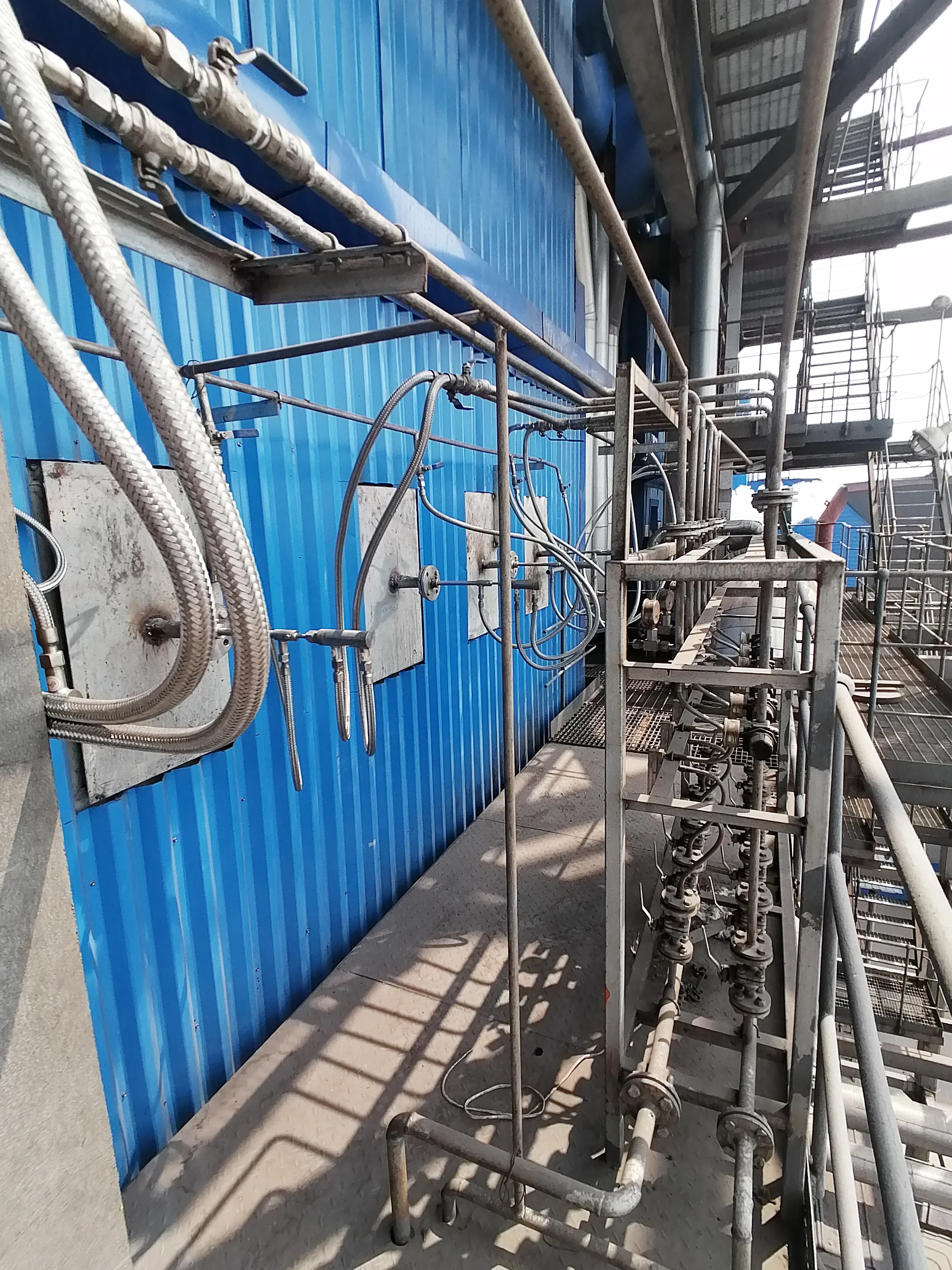
SNCR Denitrification
The furnace temperature of small and medium-sized industrial boilers is relatively low, the temperature zone is short, and the boiler load varies greatly. The reaction temperature of ammonia water is lower than that of urea. The optimal reaction temperature range for ammonia water is 850 - 1100°C, and for urea it is 900 - 1100°C. Generally, 15 - 20% ammonia water is used as the reducing agent.
Due to the large load variation of the boiler, when the operating condition is at a load of less than 50%, the furnace temperature is relatively low. Ammonia water can only be gasified in the furnace as a reducing agent, but there is almost no denitrification efficiency. Therefore, when designing the SCR at the rear end, the denitrification efficiency at the front end is not considered.
The number of spray guns is set according to the size of the boiler. For boilers with large load variations, more holes need to be opened. The position of the spray guns can be changed according to the temperature change. The boiler factory provides the boiler drawings and temperature ranges for the holes of the spray guns. Our company provides the information to the boiler factory to reserve the holes during the furnace construction. The ammonia spraying design of the spray guns should not spray on the flame.
In case the owner does not allow ammonia water to be sprayed into the furnace under special circumstances, it can be directly installed on the flue under the condition of 300°C flue gas. A more reliable solution is that under the operating condition of 300 - 180°C, in order to ensure the ammonia slip standard of 3 ppm, an ammonia water evaporator must be installed on the flue before the SCR. In this way, it can avoid the excessive ammonia slip caused by ammonia spraying on the flue at low temperatures, the corrosion of the rear - end equipment due to the non - gasified ammonia water, and the blockage of the micropores of the catalyst and the influence on the surface activity of the catalyst caused by long - term low temperatures.
If urea solution is used as the reducing agent, the urea storage tank adopts the hot - water tracing method, using the blow - down water from the factory boiler or steam and other heat sources as the heat source. Compared with the electric heating method, this can significantly save energy consumption.
Why Choose Us
| Basic Information | Established | 1995 |
| Registered Capital | RMB 68 million | |
| Annual Output Value | Over RMB 200 million | |
| Scale | Total Employees | 150 |
| Manufacturing Area | 35,000 ㎡ | |
| Project Experience | Total Engineering Projects | Nearly 500 |
| Denitrification Systems Delivered | ~3,000 units | |
| Dust Removal Systems Delivered | ~10,000 units | |
| Desulfurization Systems Delivered | ~5,000 units | |
| Wet Electrostatic Systems Delivered | ~250 units | |
| Technology | Patents | 50+ |
| Market Coverage | Export Regions | Africa, South America, Southeast Asia |
Manufacturing & Production Capacity
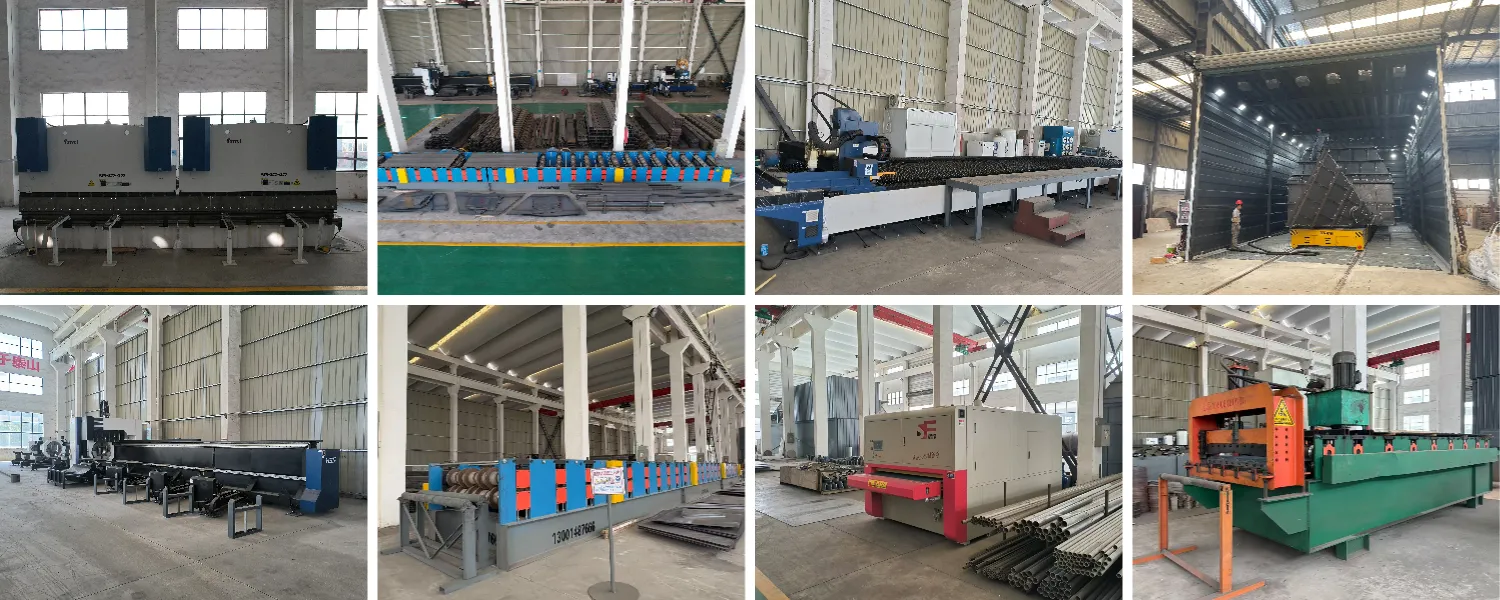
After-Sales Service
Haina provides on-site installation, commissioning and technical training.Regular follow-up inspections are arranged after project delivery to support long-term operation stability.
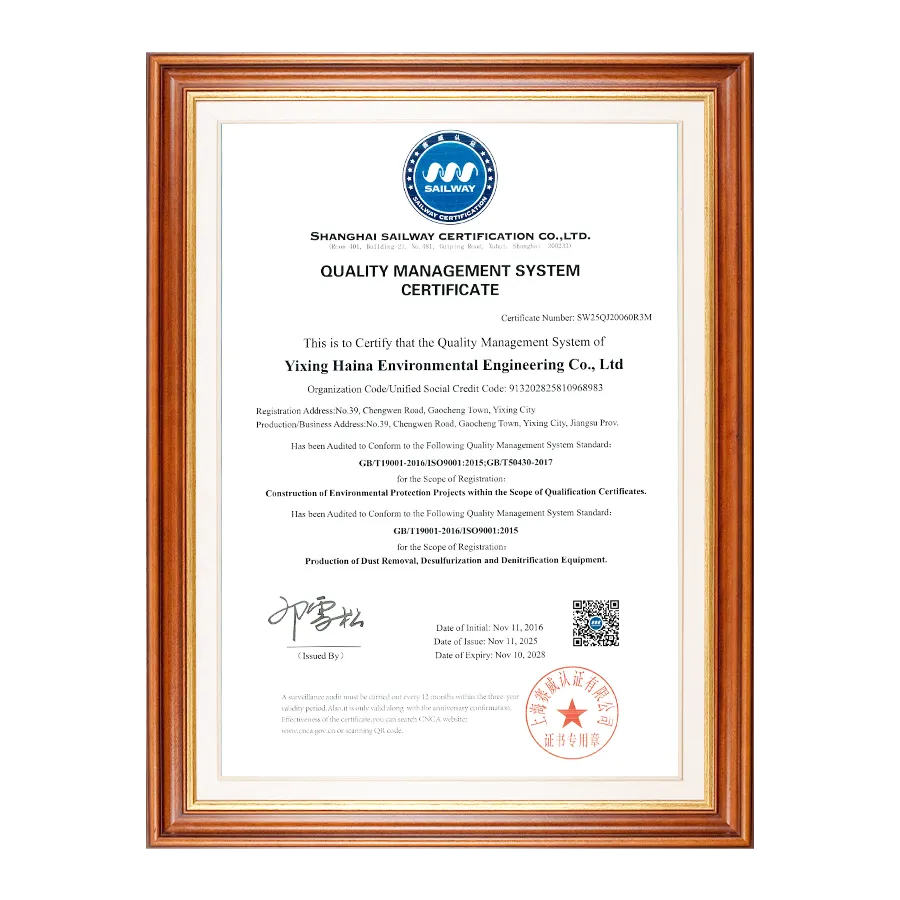
Quality Management SystemCertification Certificate |
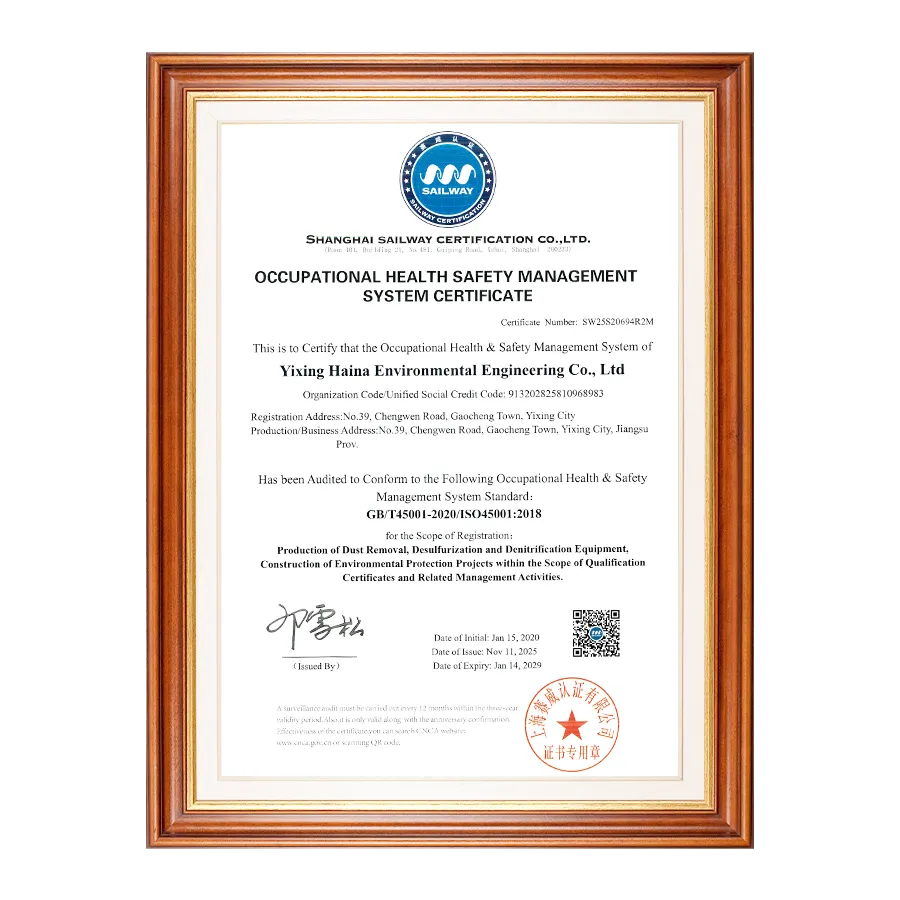
Occupational Health and Safety Management System Certification Certificate |
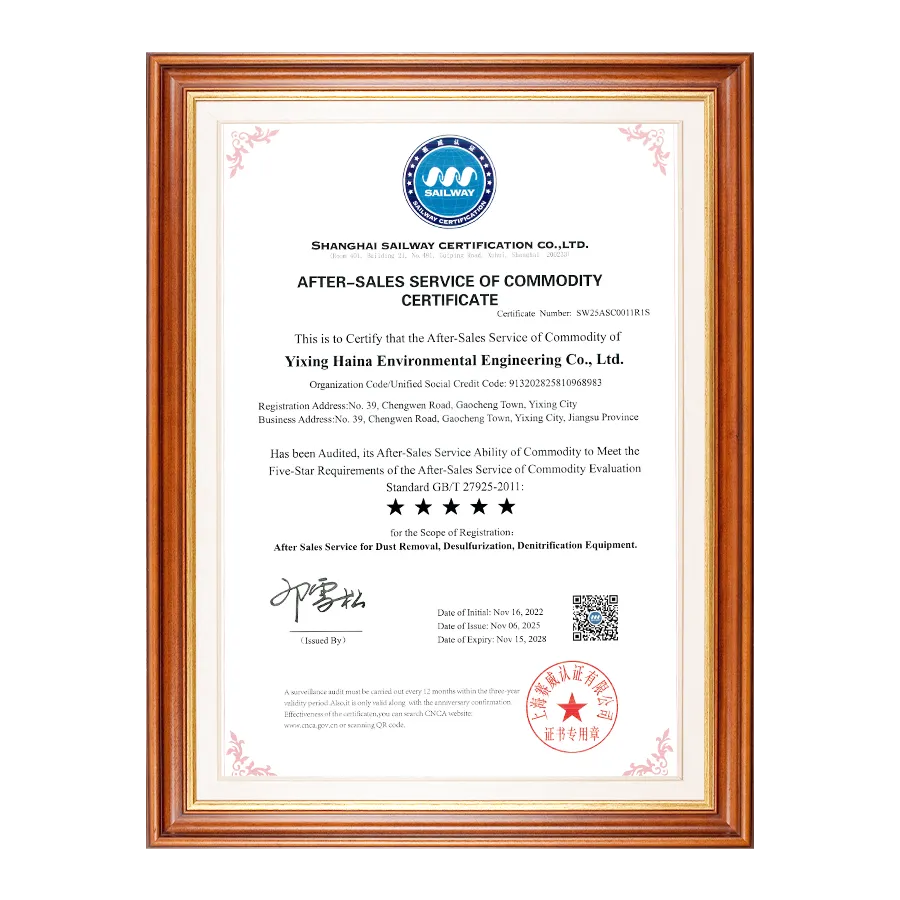
Certificate of After-Sales Service Certification for Products |
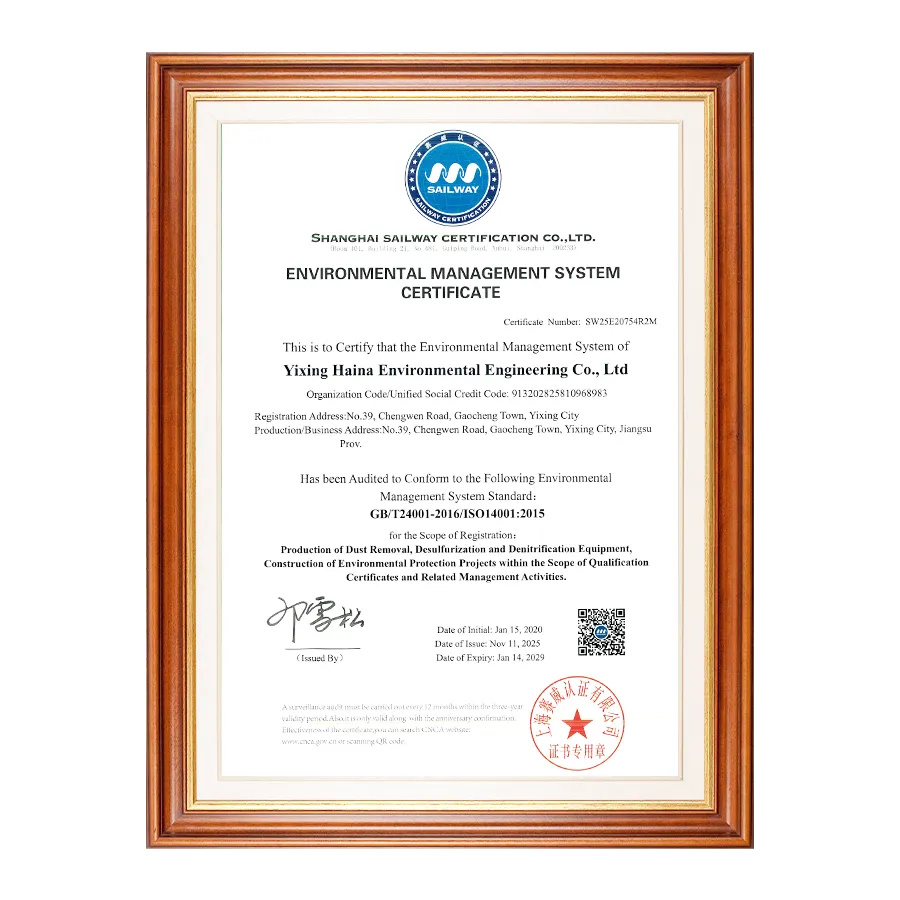
Environmental Management System Certification Certificate |