

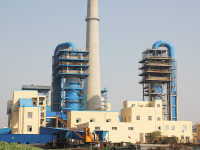
Wet Electrostatic Precipitator
Wet electrostatic precipitator is a method of separating aerosols and suspended dust particles in gases by electric dust removal. It mainly includes the following four physical processes: 1. Gas ionization2. Condensation and charge of aerosol and suspended floating dust particles; 3. Charged dust particles and aerosols move towards the electrode; 4. Water film to make the plate clean ash.
- Information
Product Overview
HWESP Type Wet Electrostatic Precipitator Introduction
The basic principle of HWESP wet electrostatic precipitator and dry electrostatic precipitator are basically the same. They all need to go through three stages: charging, collecting and ash cleaning. The environments of dry and wet flue gas are different. The space gas near the cathode line is ionized by DC high voltage. After being charged, the dust particles move under the action of electric field force and deposit on the surface of dust collecting anode. Dry electrostatic precipitator (HESP) removes dust by hard vibration, while wet electrostatic precipitator (HWESP) removes dust by collecting dust anode surface water film and washing.
Classification of Wet Electrostatic Precipitator
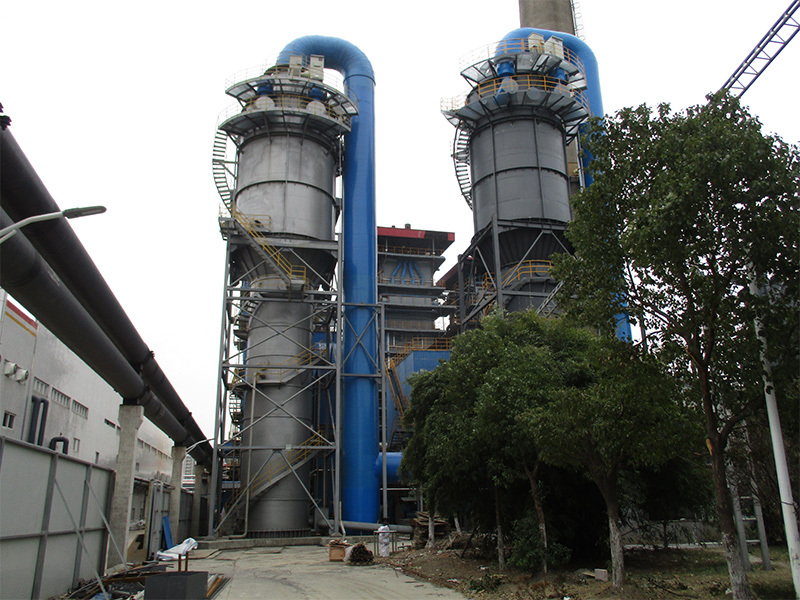
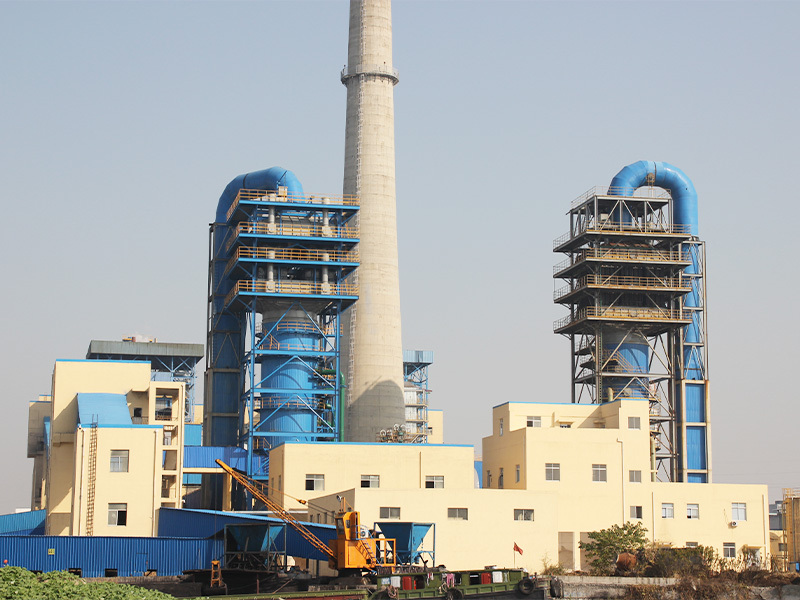
Desulfurization tower - wet electrostatic precipitator - chimney integration
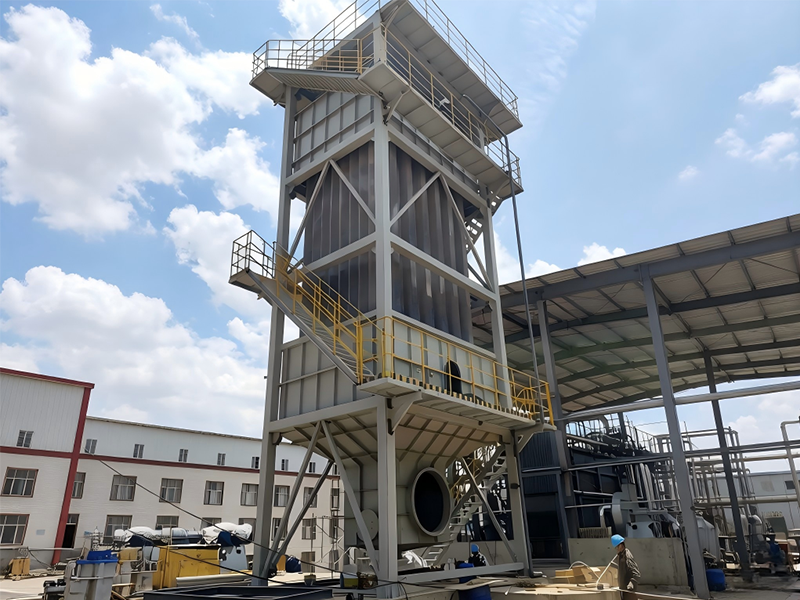
Separation of desulfurization tower and wet electrostatic precipitator
Working Principle
Wet electrostatic precipitator is a method of separating aerosols and suspended dust particles in gases by electric dust removal. It mainly includes the following four physical processes: 1. Gas ionization2. Condensation and charge of aerosol and suspended floating dust particles; 3. Charged dust particles and aerosols move towards the electrode; 4. Water film to make the plate clean ash.
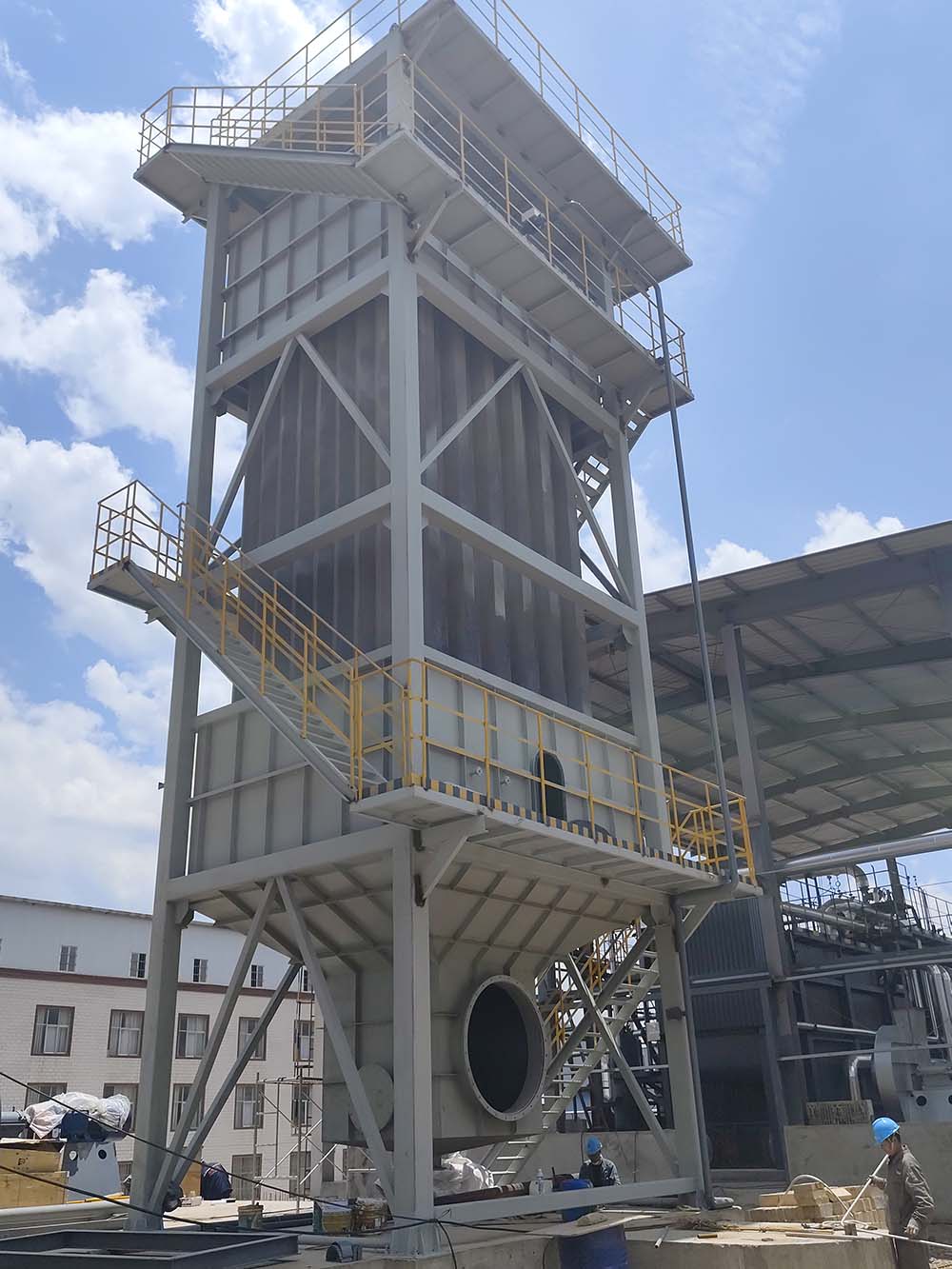
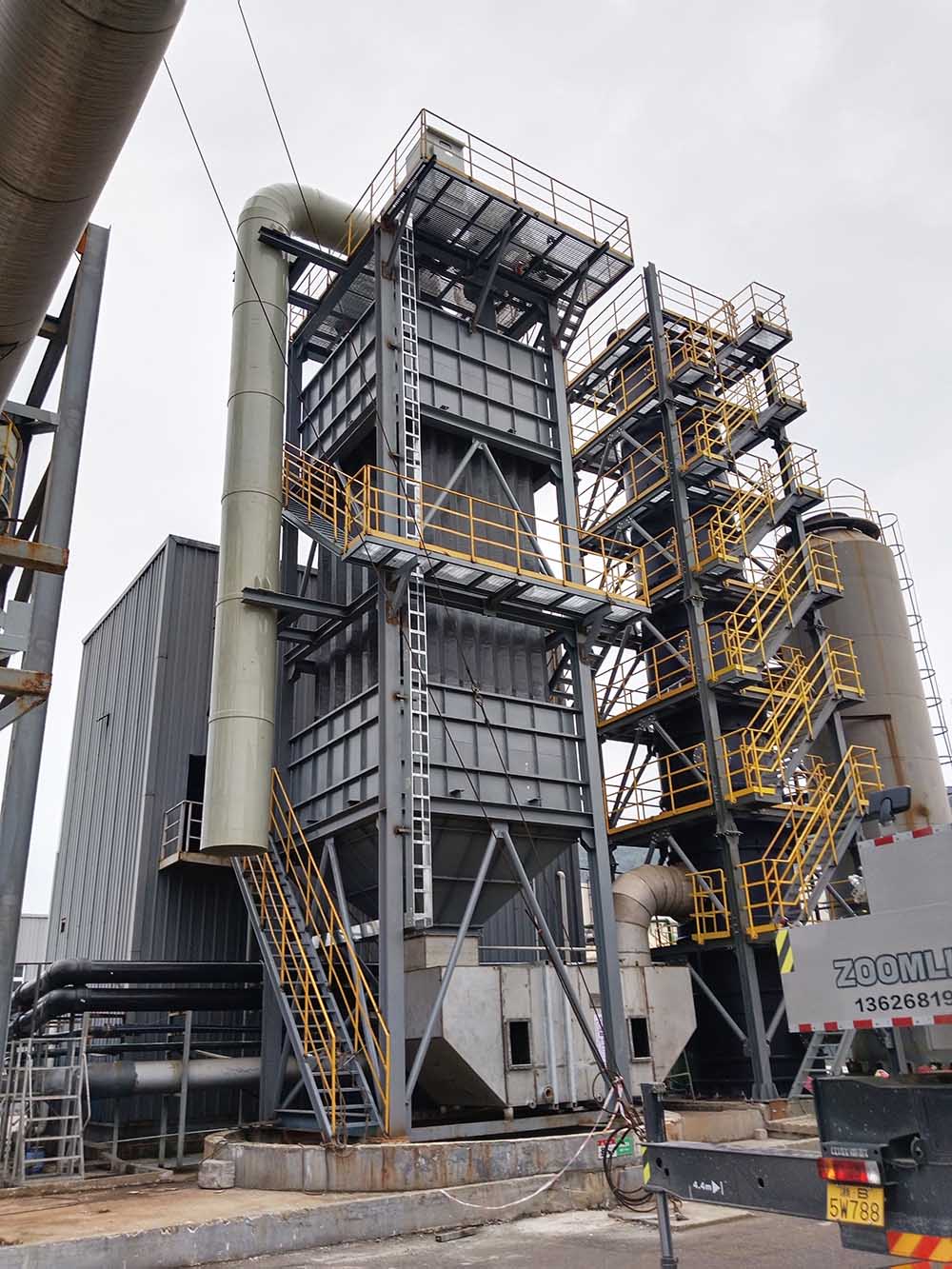
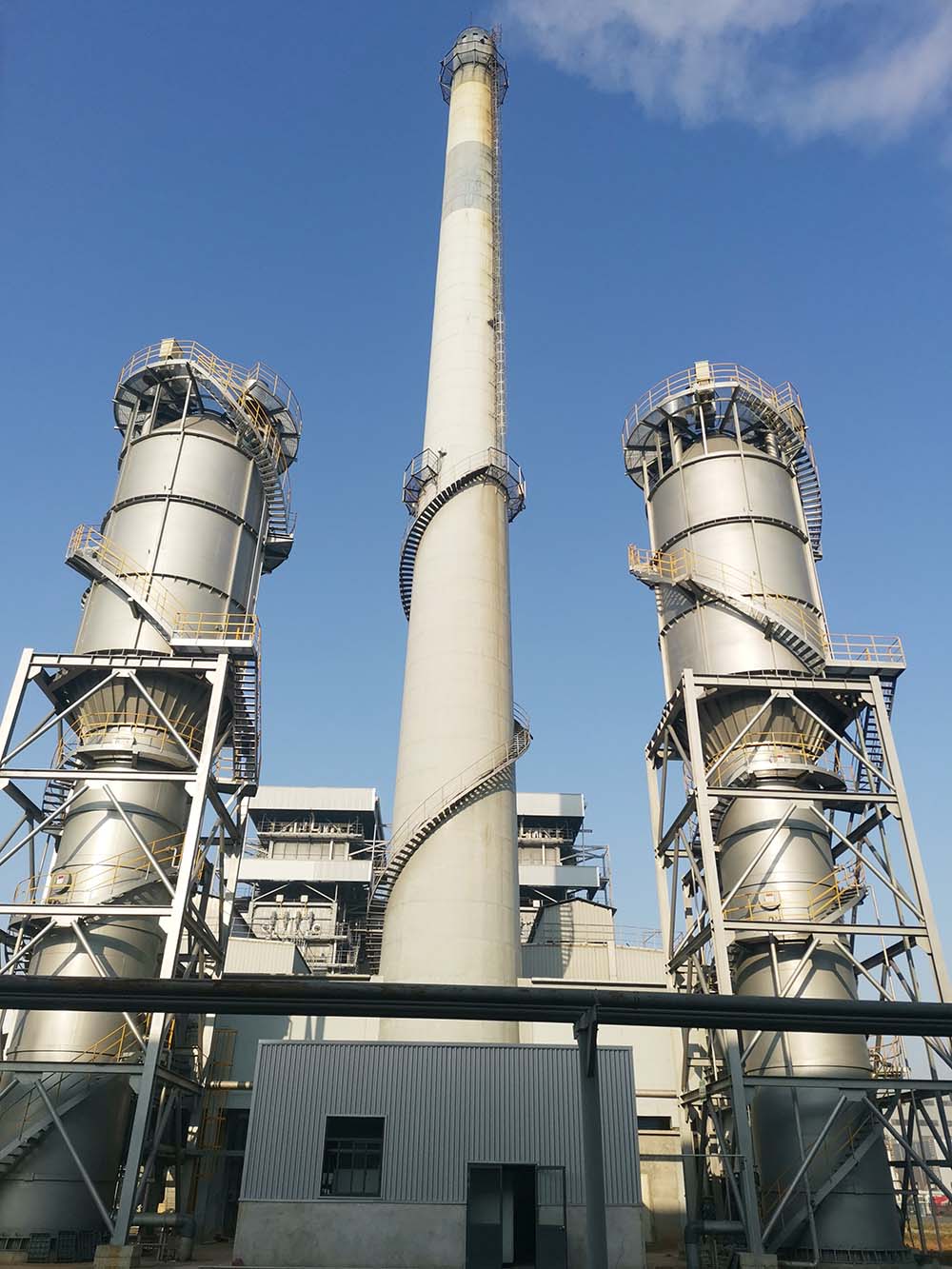
Ten thousand of volts dc high voltage is applied between the anode and cathode lines of a wet dust removal device. Under the action of a strong electric field, a corona layer is generated around the corona line. The air in the corona layer is avalanche ionized, thus producing a large number of negative ions and a small number of positive ions. This process is called corona discharge. The dust (fog) particles in the wet electric dust removal device with the flue gas collide with positive and negative ions and are charged. The charged dust (fog) particles move towards the anode due to the coulomb force of the high-voltage electrostatic field. After reaching the anode, the charge is released and the dust (fog) particles are collected by the anode. The collected dust forms a water film, which is separated from the flue gas by gravity and flushing from the upper part of the drain tank or the absorption tower.
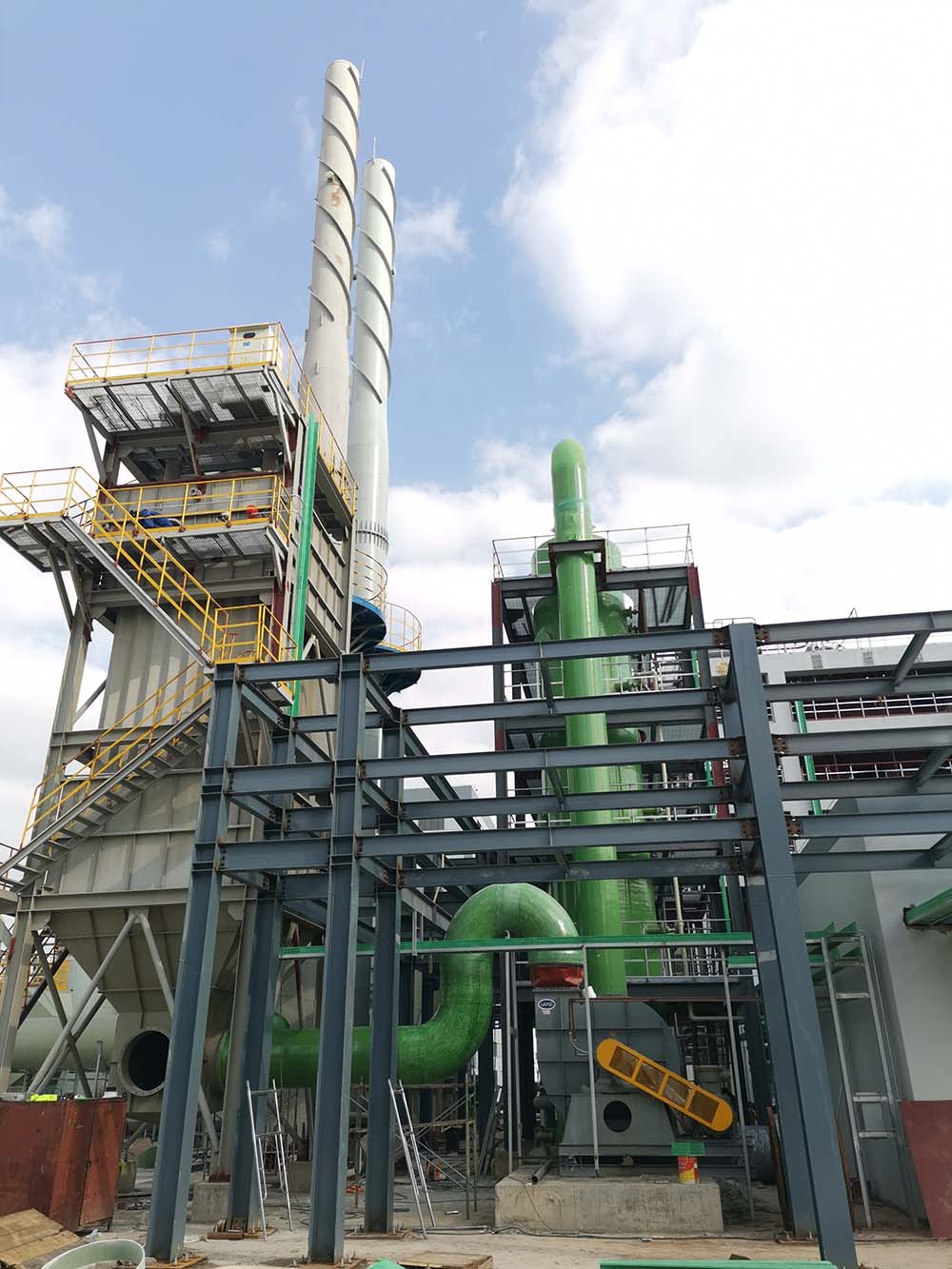
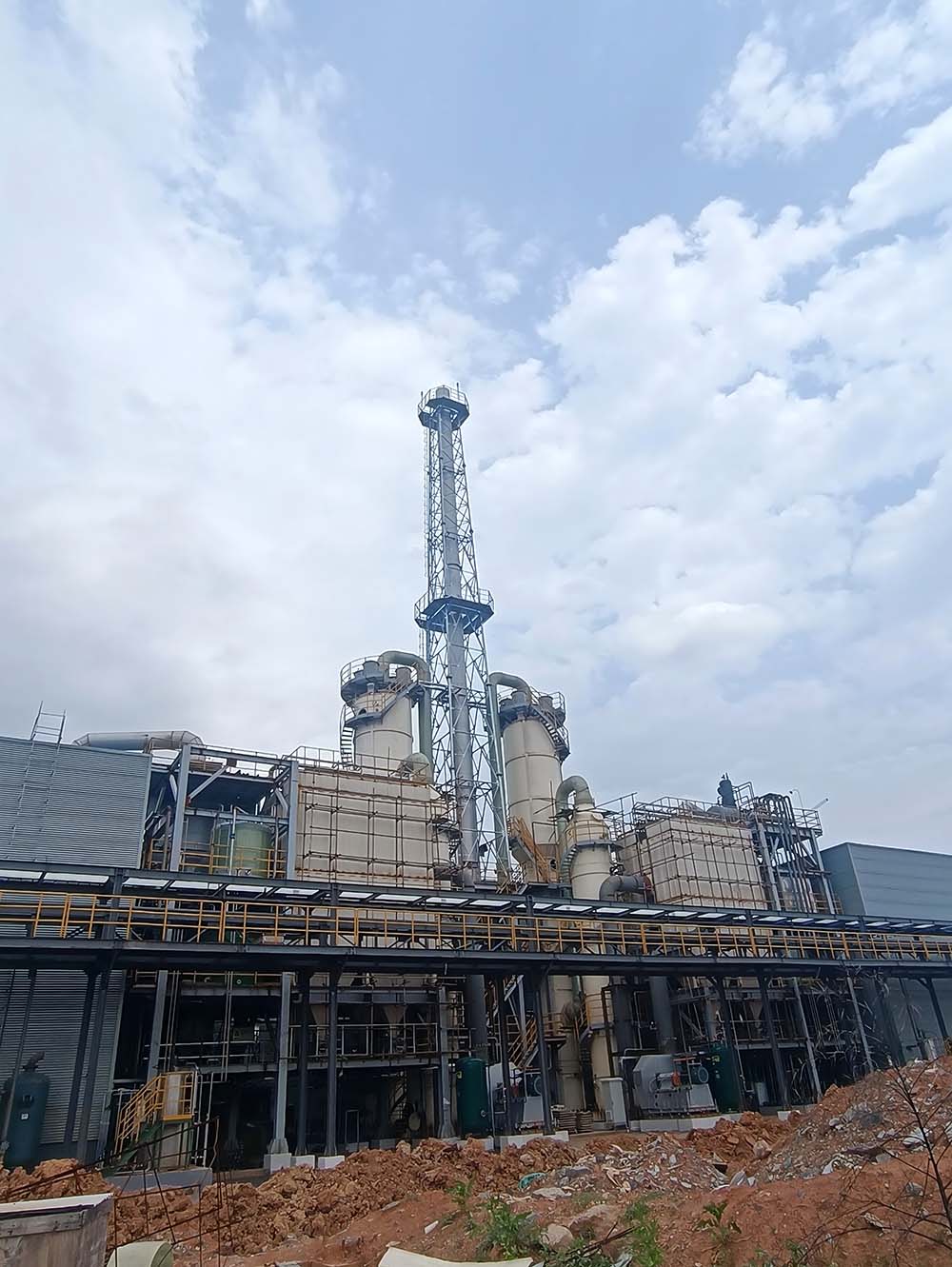
1.The efficiency of the wet electrostatic precipitator is generally 90%. When the inlet concentration is 100 mg, the emission concentration can reach 10 mg; when the inlet concentration is 30 mg, the emission concentration can reach 5 mg.
2.The wet electrostatic precipitator adopts high - frequency power supply technology. Compared with traditional high - voltage power supplies, its energy conversion efficiency is significantly improved, achieving the goal of energy conservation and consumption reduction. In addition, the power supply equipment is small in size and compact in structure, which helps to optimize the equipment layout. More importantly, it has a high degree of automatic control ability, a fast voltage - rising speed, and excellent voltage - stabilizing performance. All its performance indicators are superior to those of high - voltage power supplies.
3.For the cathode system of the wet electrostatic precipitator, we selected the 2205 material. This material has good acid and alkali resistance. Although its tolerance to chloride ions is relatively weak, it has a high conductivity coefficient, and the tip discharge effect of the cathode wire is significant, which is beneficial for the dust to be charged, thereby improving the dust - removal efficiency of the wet electrostatic precipitator.
Why Choose Us
| Basic Information | Established | 1995 |
| Registered Capital | RMB 68 million | |
| Annual Output Value | Over RMB 200 million | |
| Scale | Total Employees | 150 |
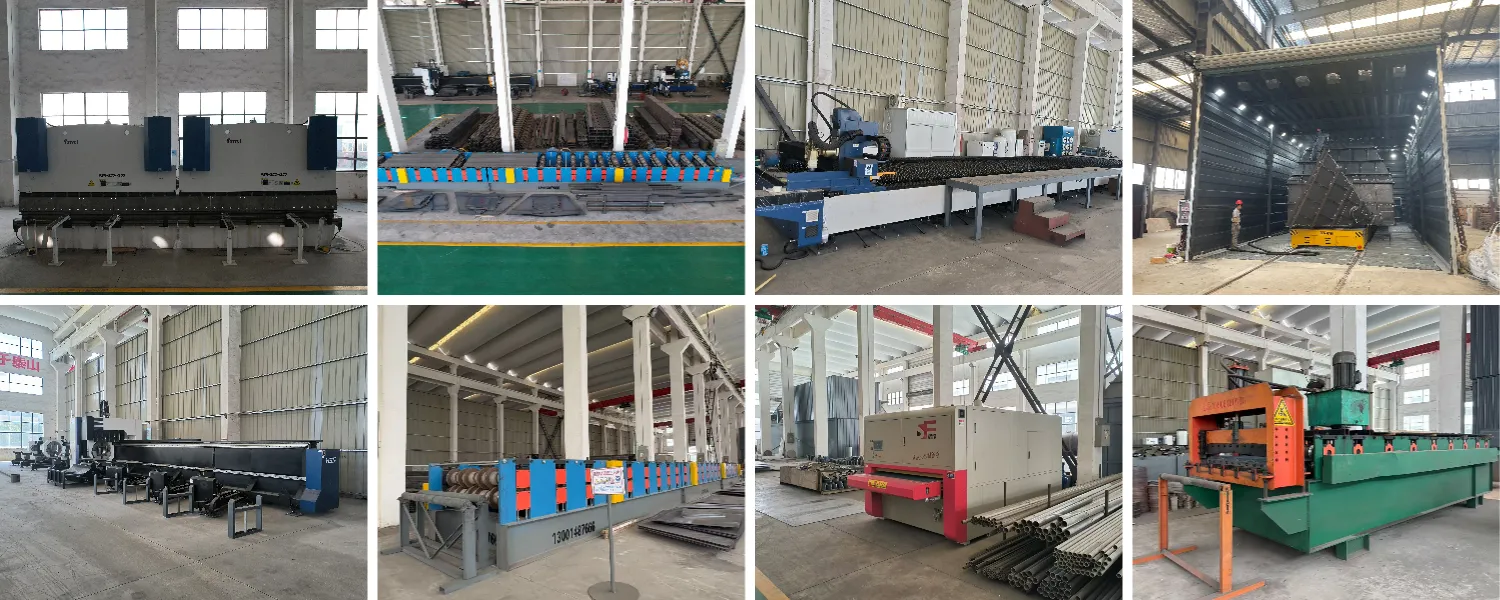
| Manufacturing Area | 35,000 ㎡ | |
| Project Experience | Total Engineering Projects | Nearly 500 |
| Denitrification Systems Delivered | ~3,000 units | |
| Dust Removal Systems Delivered | ~10,000 units | |
| Desulfurization Systems Delivered | ~5,000 units | |
| Wet Electrostatic Systems Delivered | ~250 units | |
| Technology | Patents | 50+ |
| Market Coverage | Export Regions | Africa, South America, Southeast Asia |
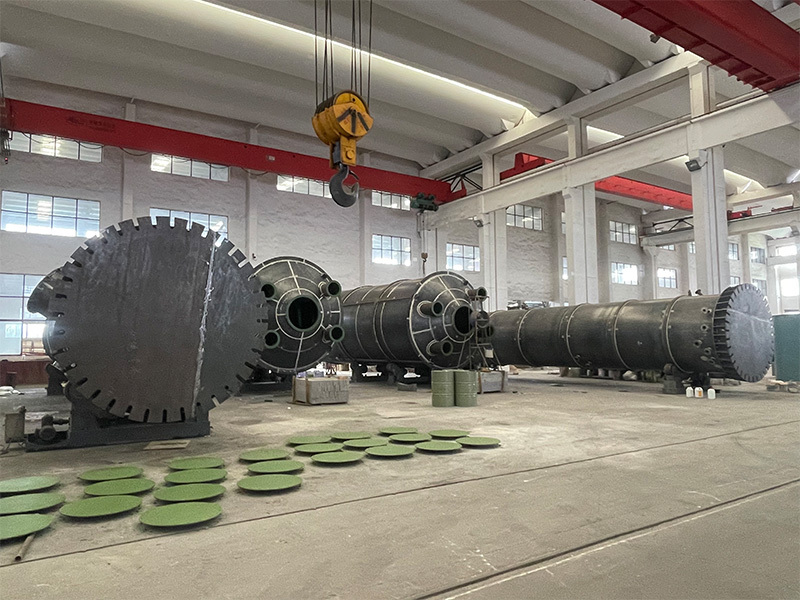
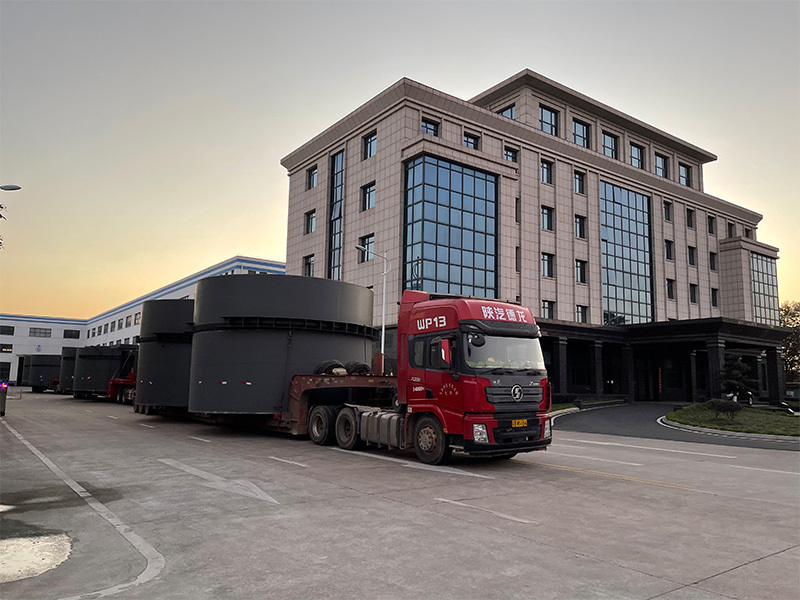
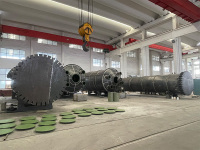
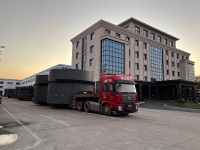
Manufacturing & Production Capacity
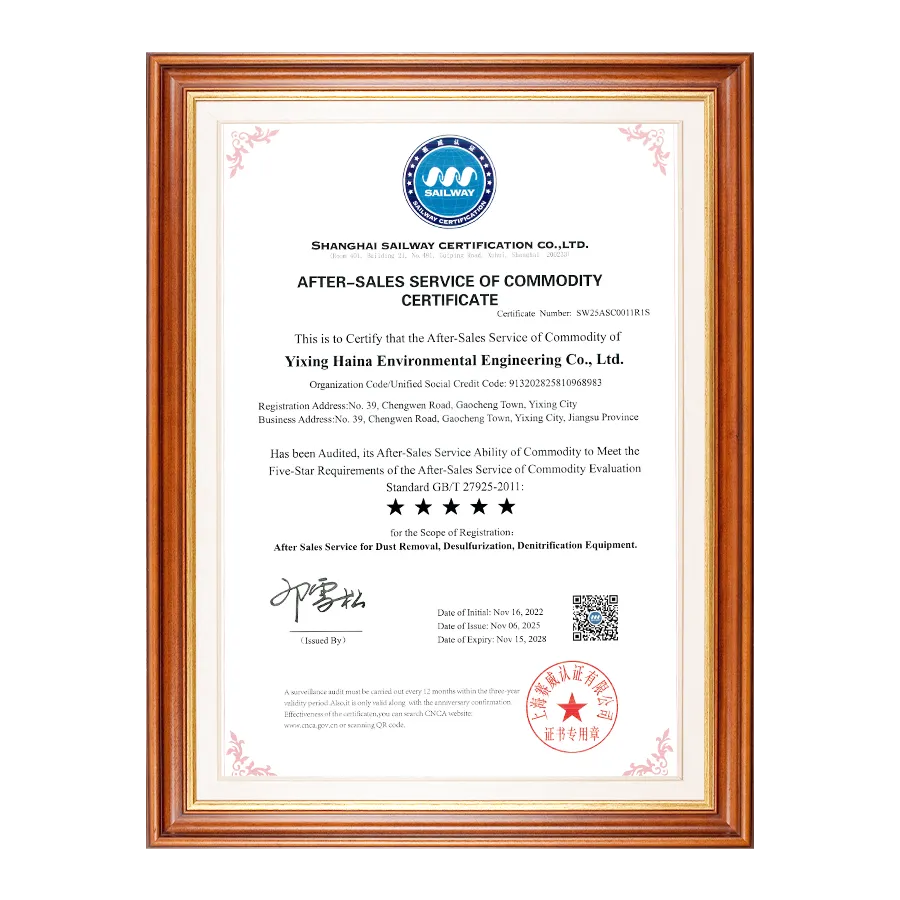
After-Sales Service
Haina provides on-site installation, commissioning and technical training.Regular follow-up inspections are arranged after project delivery to support long-term operation stability.
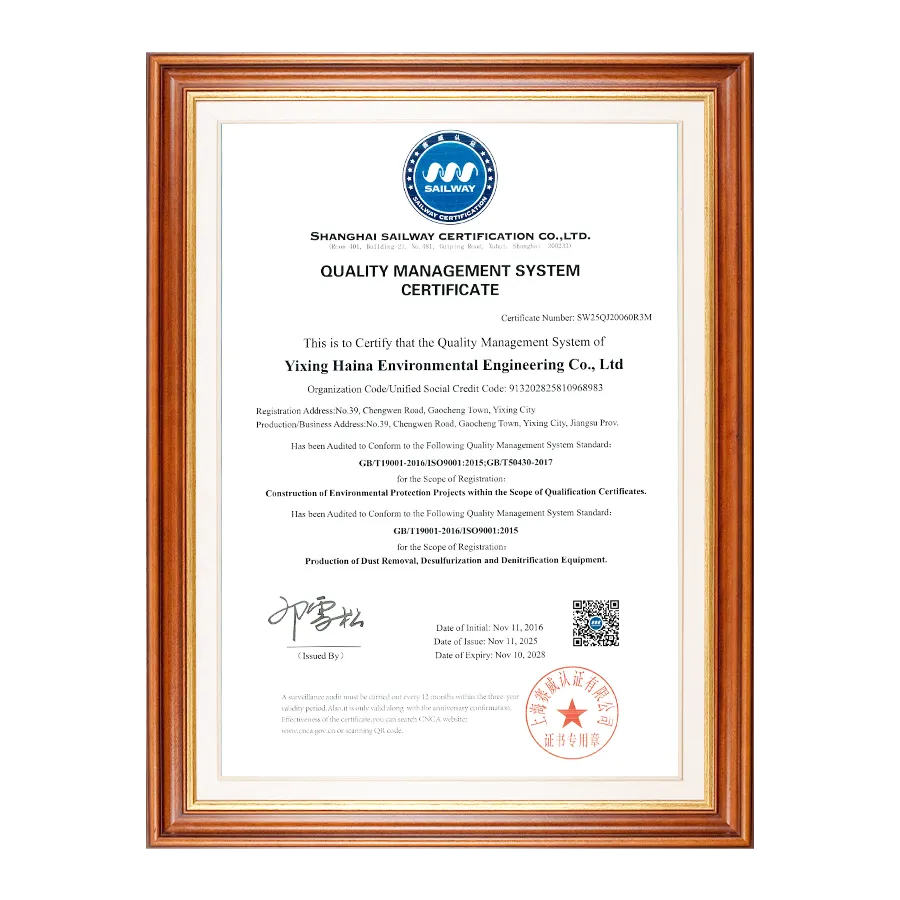
Quality Management SystemCertification Certificate |
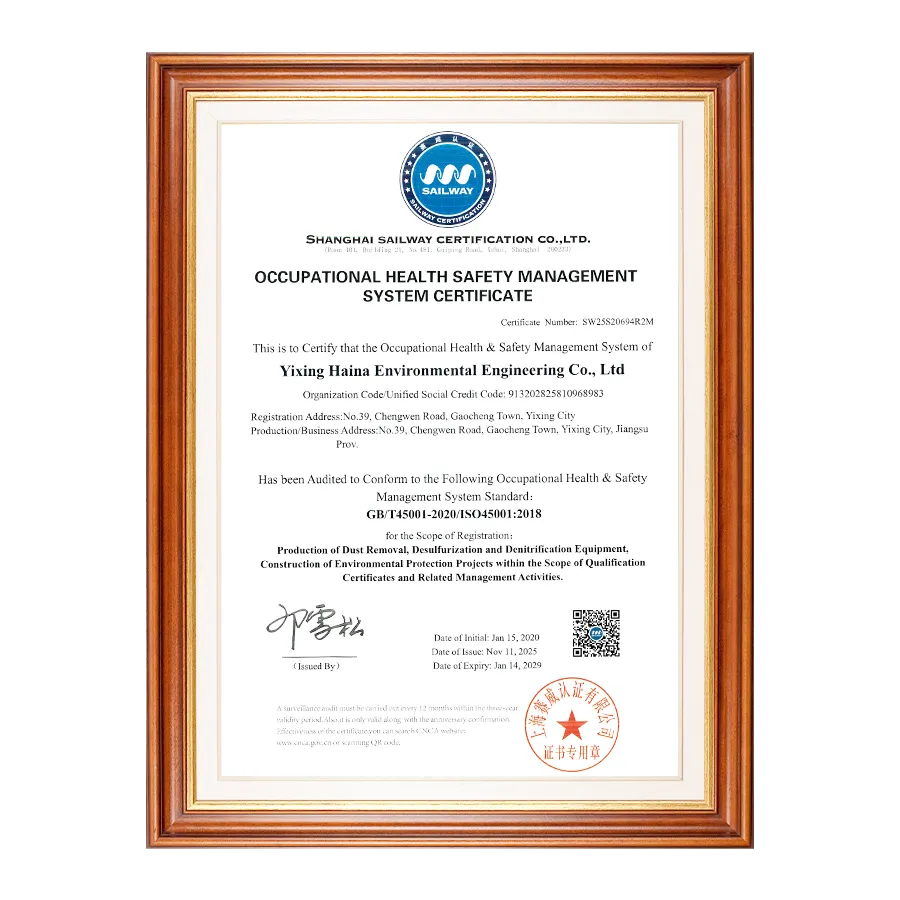
Occupational Health and Safety Management System Certification Certificate |
Certificate of After-Sales Service Certification for Products |
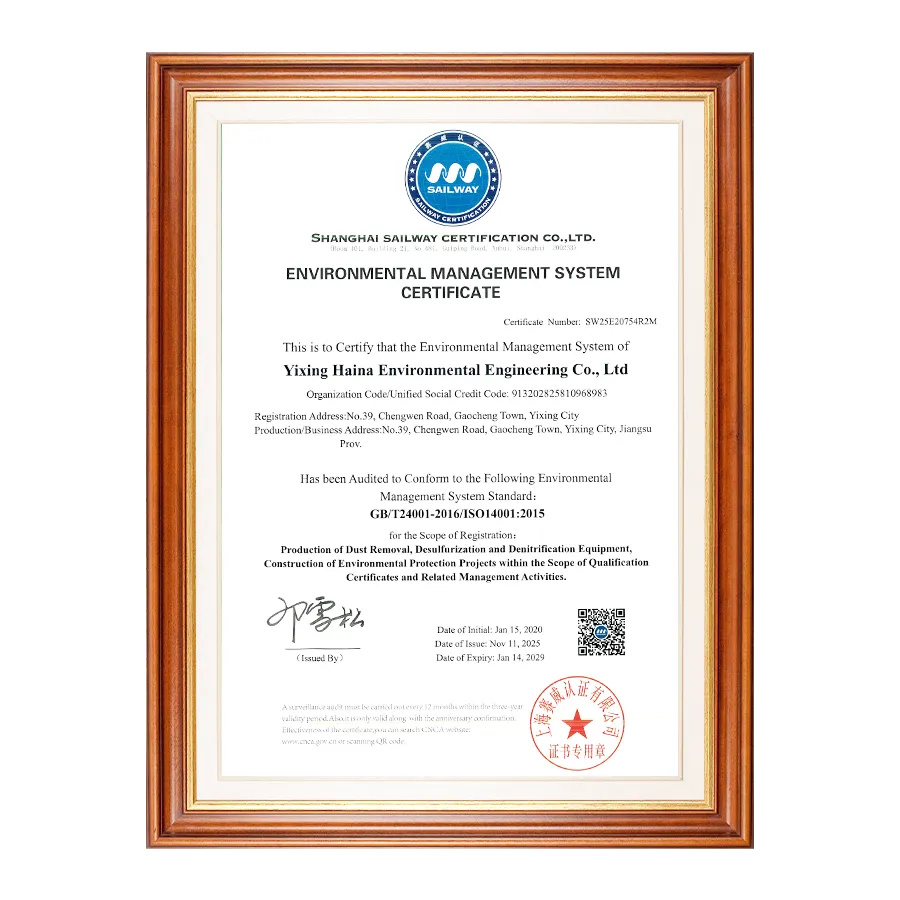
Environmental Management System Certification Certificate |