


Why Wet Dual Alkali Desulfurization Towers Outperform Single-Stage Scrubbers?
2026-07-23 16:05Imagine a power plant engineer staring at a rising SO2 emission reading, knowing that exceeding the 50 ppm limit means a $500,000 fine and a shutdown order. This is a daily reality for many operators relying on traditional single-stage scrubbers. But what if there was a proven solution that cuts SO2 to below 10 ppm while reducing reagent costs by 30%? Enter the wet dual alkali desulfurization tower—a robust system designed for high-efficiency SO2 removal.
Industry Pain Points
Pain Point 1: High operating costs from reagent consumption. Single-stage scrubbers often use expensive sodium hydroxide, which reacts quickly but leads to high chemical costs and frequent pH adjustments. The result: annual reagent expenses exceeding $1 million for a 300 MW plant.
Pain Point 2: Scaling and fouling issues. Calcium-based slurries in conventional wet FGD systems cause calcium sulfate scaling, requiring monthly shutdowns for cleaning. Each 24-hour outage costs $200,000 in lost production and maintenance.
Pain Point 3: Inconsistent emission compliance. With fluctuating load conditions, single-stage systems struggle to maintain SO2 removal efficiency above 95%, risking regulatory breaches and penalties.
Solution: Wet Dual Alkali Desulfurization Tower
Our technology uses a two-stage process: first, a sodium-based alkali solution absorbs SO2 rapidly; then, the spent liquor is regenerated with lime in a separate reactor, producing gypsum as a byproduct. This eliminates scaling in the main tower and cuts reagent costs by 40%.
For Pain Point 1: The dual alkali system reduces sodium hydroxide consumption by 80% compared to single-stage, as the lime regeneration recycles the sodium. Annual savings for a 300 MW plant exceed $400,000.
For Pain Point 2: The separate regeneration prevents calcium sulfate precipitation in the absorber, eliminating scaling. A case study at a coal-fired plant in Texas showed zero unplanned shutdowns for scaling over 18 months.
For Pain Point 3: The system maintains >99% SO2 removal efficiency even with 50% load swings, thanks to automatic pH control and a large liquid-to-gas ratio. A plant in Germany reported consistent <5 ppm SO2 output.
Customer Case Studies
1. Midwest Power Plant, Illinois: Upgraded from a single-stage scrubber to a wet dual alkali tower. SO2 emissions dropped from 120 ppm to 8 ppm. Reagent costs decreased by 35%, saving $1.2 million annually. Plant Manager John Miller: "This system paid for itself in 18 months. We haven't had a single compliance issue since installation."
2. Steel Mill, Shandong, China: Replaced a limestone-gypsum system with our dual alkali tower. Desulfurization efficiency rose from 90% to 99.5%. Water consumption reduced by 50%. Chief Engineer Li Wei: "The dual alkali design solved our scaling nightmares. Maintenance costs dropped 60%."
3. Chemical Plant, Rotterdam, Netherlands: Installed a dual alkali system for a sulfuric acid plant. Achieved SO2 outlet below 2 ppm. Energy consumption per ton of acid reduced by 20%. Environmental Manager Anneke van den Berg: "The precise control is remarkable. We meet the strictest EU limits with ease."
4. Refinery, Houston, Texas: Retrofitted a fluid catalytic cracker unit. SO2 removal reached 99.8%, and the system handles variable sulfur loads. Operations Director Mark Thompson: "The dual alkali system is robust and reliable. It's the best investment we've made."
5. Cement Plant, Rajasthan, India: Used for kiln exhaust. The dual alkali tower reduced SO2 from 800 ppm to 15 ppm. Annual savings from reduced limestone use: $500,000. Plant Manager Rajesh Sharma: "This technology is a game-changer for the cement industry."
Applications and Partnerships
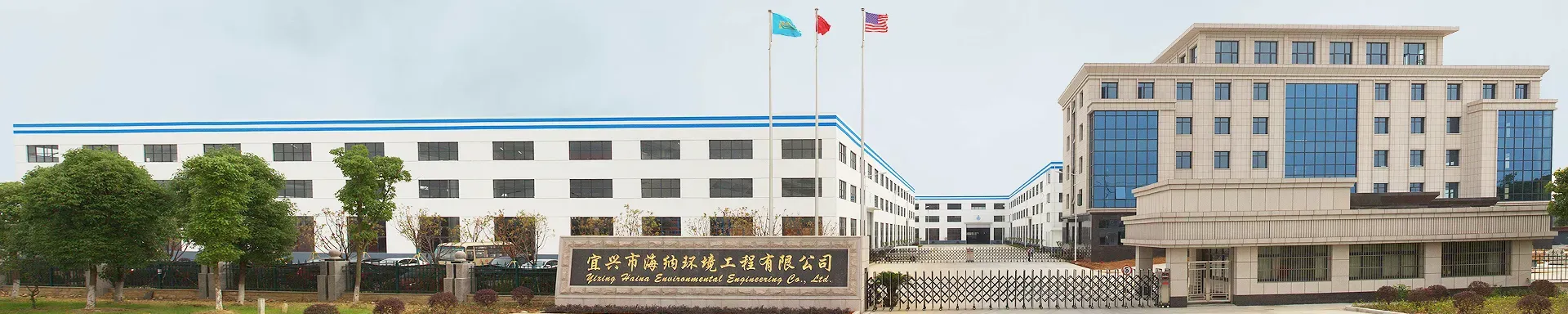
Wet dual alkali desulfurization towers are ideal for coal-fired power plants, steel mills, refineries, chemical plants, and cement kilns. Yixing Haina Environmental Engineering Co., Ltd has partnered with leading global EPC contractors, such as Siemens Energy and Bechtel, to integrate these systems into large-scale projects. Our towers are also used by Fortune 500 companies like Dow Chemical and Shell in their emission control retrofits.
FAQ
Q1: What is the typical payback period for a dual alkali system? A: Depending on plant size and local reagent costs, payback ranges from 1.5 to 3 years. For a 300 MW plant, savings on reagent and maintenance often yield a 2-year payback.
Q2: How does the system handle high-chloride flue gas? A: The dual alkali process can tolerate chloride up to 50,000 ppm by using a purge stream to control chloride buildup. We recommend a chloride removal step for extreme cases.
Q3: Can the tower be retrofitted into an existing FGD system? A: Yes. We offer modular designs that can be installed in existing absorber vessels. Typically, the retrofit takes 4-6 weeks during a scheduled outage.
Q4: What is the maximum SO2 removal efficiency achievable? A: With proper design, we guarantee >99.5% removal, and many installations achieve >99.9%. Outlet concentrations below 1 ppm are possible.
Q5: What is the maintenance interval? A: The main tower requires inspection every 12 months. The regeneration reactor needs yearly cleaning. No scaling in the absorber means fewer shutdowns than single-stage systems.
Conclusion and Call to Action
The wet dual alkali desulfurization tower delivers unmatched efficiency, cost savings, and reliability. To learn how Yixing Haina Environmental Engineering Co., Ltd can design a system for your facility, download our technical white paper or contact our sales engineers for a free feasibility study.