


Why Choose Expanded Glass Fiber Filter Bags for Harsh Conditions?
2026-09-04 09:06In the world of industrial filtration, few challenges are as frustrating as watching a filter bag fail prematurely. You've invested in a system designed to run smoothly, but when temperatures soar above 260°C or corrosive gases eat away at your bags, you're left with costly downtime, frequent replacements, and a headache that just won't quit. If that sounds familiar, you're not alone. The answer to this recurring nightmare lies in a specialized solution: the Expanded Glass Fiber Filter Bag. In this article, we'll explore why these bags are the ultimate choice for harsh conditions, and how they can save you time, money, and stress.
Let's start with a scenario: It's a sweltering summer afternoon at a cement plant in Arizona. The kiln is running at full capacity, and the baghouse is the only barrier between clean air and a fine dust storm. But suddenly, the pressure drop spikes, and you know what that means – a bag has failed. You shut down the line, send a crew in to replace the damaged bags, and watch your production output plummet. This isn't just a minor inconvenience; it's a financial drain that can cost thousands of dollars per hour. And if you're not using the right bag material, this happens more often than you'd like.
The pain points in harsh filtration environments are real and costly. First, high temperatures – anything above 260°C – can cause standard filter bags to warp, melt, or lose their structural integrity. The result? Premature failure, frequent replacements, and a safety hazard. Second, corrosive gases like sulfur dioxide or hydrogen chloride can chemically attack the bag's fibers, weakening them until they tear. This not only reduces filtration efficiency but also allows harmful emissions to escape, potentially violating environmental regulations. Third, there's the issue of pressure drop. If your bag isn't designed with the right permeability, dust builds up quickly, increasing resistance and energy consumption. That means higher operating costs and reduced system performance.
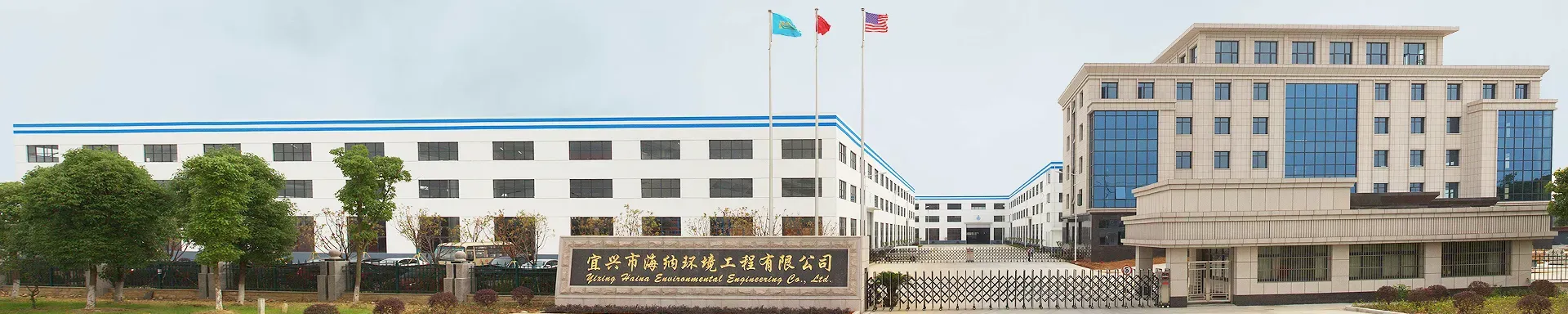
Now, let's talk solutions. The Expanded Glass Fiber Filter Bag, manufactured by Yixing Haina Environmental Engineering Co., Ltd., is engineered to tackle these exact challenges. For high temperatures, the bag incorporates a microporous expanded PTFE membrane laminated onto a woven glass fiber substrate. This combination can withstand continuous operating temperatures up to 260°C, with peaks up to 280°C, without losing its filtration efficiency. The PTFE membrane also provides excellent chemical resistance, protecting the glass fibers from corrosion. And because the membrane has a smooth, non-stick surface, dust releases easily, keeping pressure drop low and extending the bag's life.
But don't just take my word for it. Consider the experience of a steel plant in Germany. They were struggling with bag failures every three months due to high temperatures and acidic gases. After switching to our Expanded Glass Fiber Filter Bags, they saw a 300% increase in bag life – now lasting over 12 months. Their maintenance costs dropped by 40%, and they achieved compliance with strict EU emission standards. As their operations manager, Klaus Weber, put it, "These bags have been a game-changer. We've cut downtime and finally have peace of mind."
Another case comes from a waste-to-energy facility in Japan. They were facing severe corrosion issues from hydrogen chloride gas, leading to bag replacements every six weeks. With our solution, they now operate for 18 months between replacements, a 12-fold improvement. Their energy consumption decreased by 15% because the bags maintain lower pressure drop. "The durability is remarkable," said facility engineer Yuki Tanaka. "We've tried other brands, but nothing compares to the performance we've seen with these bags."
A third success story involves a chemical plant in the United States. They had persistent problems with dust clogging and high pressure drop, forcing them to run their fans at maximum speed. By switching to our bags, they reduced pressure drop by 30%, cutting energy costs by $50,000 annually. Moreover, the bags' excellent filtration efficiency helped them meet EPA MACT standards. "Our only regret is not switching sooner," commented plant manager Sarah Johnson.
These case studies illustrate the broad application of our bags. They are ideal for industries such as cement, steel, power generation, waste incineration, and chemical processing – anywhere hot, corrosive gases are present. We've partnered with leading engineering firms and procurement groups worldwide, including a long-term agreement with a major European cement producer and a partnership with a global environmental solutions provider. These collaborations ensure our bags meet the highest industry standards, including ISO 9001 and CE certification.
Now, let's address some common questions from engineers and procurement managers. One frequent question: "What is the maximum continuous operating temperature for these bags?" The answer is 260°C, with short-term spikes up to 280°C. Another: "How does the expanded PTFE membrane affect filtration efficiency?" It provides surface filtration, capturing dust on the membrane surface rather than within the bag's depth, resulting in higher efficiency (up to 99.99%) and lower emissions. "Can these bags handle acidic gases?" Yes, the PTFE membrane is chemically inert, and the glass fiber is corrosion-resistant, so they can handle most acidic and alkaline gases. "What about pressure drop?" Our bags are designed with optimal permeability to minimize pressure drop, typically 30-50% lower than conventional bags, reducing energy costs. "What is the typical lifespan?" With proper operation, you can expect 2-3 years, but it varies based on conditions; we've seen cases lasting up to 4 years.
In summary, the Expanded Glass Fiber Filter Bag from Yixing Haina Environmental Engineering Co., Ltd. is not just a product – it's a solution to the costly problems of high-temperature, corrosive environments. By investing in these bags, you're not only extending bag life and reducing downtime, but also improving your bottom line and environmental compliance. If you're ready to experience the difference, we invite you to download our comprehensive technical white paper or contact our sales engineers for a personalized consultation. They'll work with you to find the perfect solution for your specific needs. Don't let filter bag failures hold you back any longer – make the switch today.